School · Early years
Early years, ages 3 to 6
In the early years stage, we pay special attention to accompanying children’s emotional processes and the development of their autonomy, respecting their rhythms and needs and offering them a safe environment in which to grow and develop.
- Ages
- 3, 4 and 5 (I3, I4 and I5)
- Ratio
- 8 to 10 children per reference adult
- Hours
- 9 am to 3 pm
- Settling in
- Respectful, gradual and accompanied
- Entrance
- Carrer Feliu, 14-16
Early years methodology
At Espai Aigua we understand that people, adults and children alike, do not learn through instruction but through living together. Our efforts are therefore directed at creating a pedagogical space where children can be themselves and relate, among themselves and with adults, with respect, trust and mutual acceptance.
Read more
The project’s methodology aims to give children the stimuli and opportunities that allow them to reach, by themselves, their own goals and their own development, since we believe that people build their mental and emotional structures through all-round interaction with their physical environment, with their social and family surroundings and with themselves. This relationship with the environment happens mainly through experimentation and exploration, since children are at a stage in which sensory learning predominates.
We work in a way that is grounded in non-judgemental acceptance of the child and of their capacity to be autonomous. For the team, this means paying special attention and dedication to getting to know what each child is like and what they need, so as to offer them suitable options at each moment. In this sense, the child gradually takes on responsibility for making decisions, for directing themselves and for interpreting what they experience, achieving ever greater autonomy.
We also take care to respect the different rhythms and processes children go through: emotions, needs, motivations…, without anticipating. This active attitude is warm and close. It creates a climate in which the child feels safe, relaxed and accepted. At the same time, it aims for the child to respect and accept themselves, others and the environment, accepting rules and limits that make living together possible. These limits are essential for them to feel safe and confident in developing all their capacities and in expressing their authentic needs for relationship as they learn.
The settling-in process
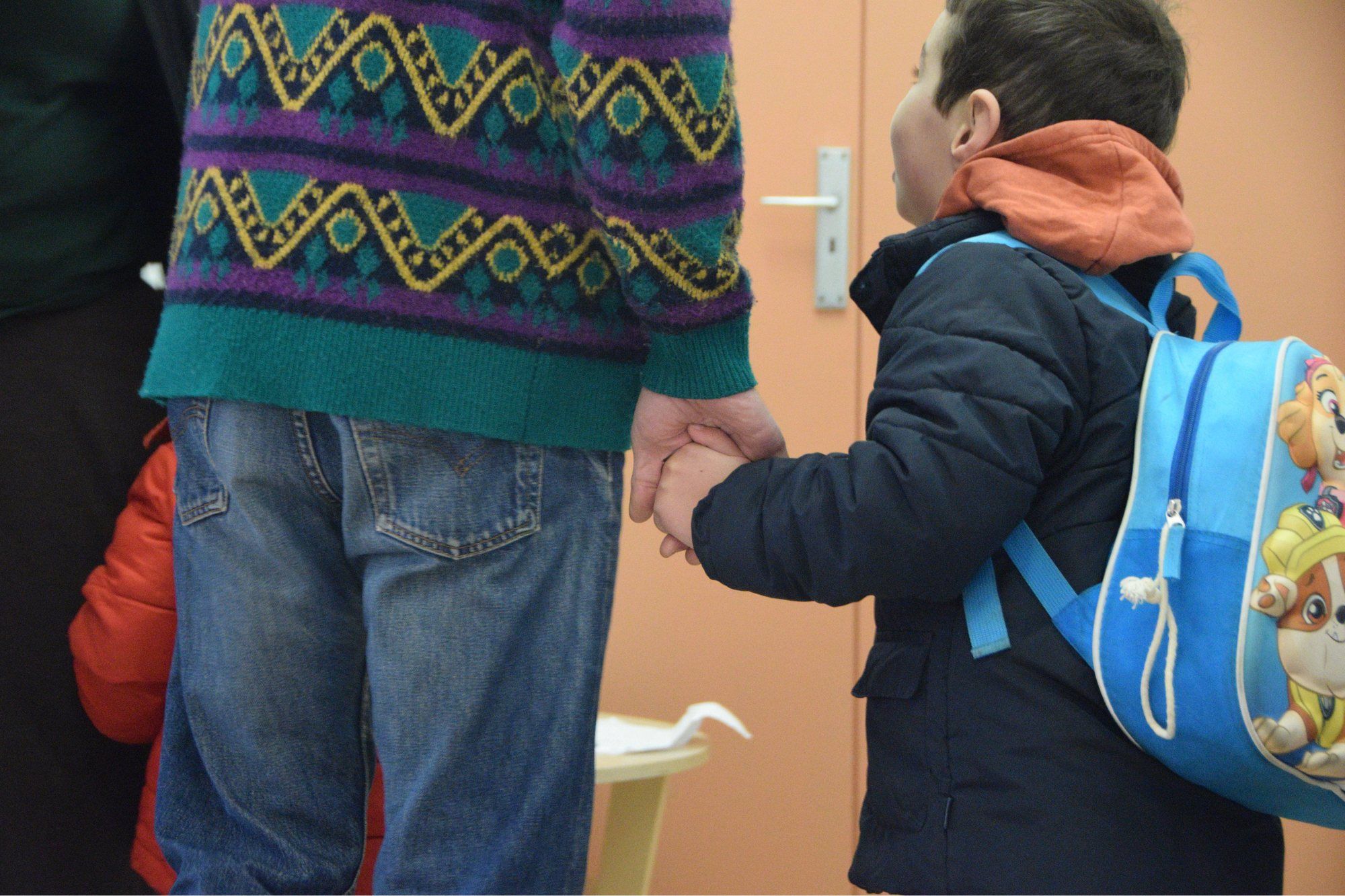
We know that starting out at school is not the same for everyone. Each child and each family needs their own time to settle into school, get to know the accompanying adults and the other children, and feel safe in the spaces and everyday dynamics. That is why the project gives children the possibility of settling in over whatever period of time is needed, according to each family’s circumstances. The teaching team places special emphasis on accompanying this stage, to help the child open up to the new reality.
Read more
Settling into school is often a major source of anxiety for such young children, rooted in the emotional stress they have to manage in the first moments. It is a confusing and difficult period for children, who often have to leave behind years spent at home, accompanied by the people with whom they have a bond of emotional security, to move into the new reality of school. A new space, with a group of children of all ages and new adults who will have to become their figures of reference, support and security for several hours a day.
Our project, in line with other kindred educational projects, considers it absolutely necessary to take care of these moments in order to foster a good experience of school. This is an option that conventional schools usually cannot take on, because of their tutor-to-pupil and tutor-to-family ratios and their lack of space and time, but also of willingness, since it is often not given enough consideration or the importance we believe it deserves.
Every settling-in process is different and depends on very varied factors, sometimes full of subtleties. We know that every family has its own particularities, depending on its history and experiences, so that no two processes look alike. That is why we attach so much importance to communication and transparency between the family and the accompanying adult: it is a shared path that lays the foundations of the relationships. Relationships that are interdependent and that grow together: family–educator and child–educator.
This process is a movement the child makes outwards, in search of something new and unknown that attracts them while also posing new challenges. The presence of the family member or reference adult gives them the security to “launch themselves” into life and to discover, explore, take on and live new situations that will make them grow. One feature of this process is that it is not linear, which means there will generally be steps forward and also steps back, as a condition, we might say, inherent to this (spiral) process.
Timetable and everyday life: early years
The timetable is flexible and can be adapted over the year according to the group and its needs.
- 9 am
- Relaxed arrival and welcome for children and families.
- 10 am
- Morning meetings in small groups.
- 10.20 am
- Snack.
- 10.30 am
- Mini LAB of Nature observation / Practical life / Sound, mark-making and movement / Construction, depending on the day. In parallel, proposals in the movement room or the playground.
- 12.20 pm
- Tidying up the spaces.
- 12.30 pm
- Second snack.
- 1 pm
- Workshops, quiet games and proposals.
- 2 pm
- Tasks: tidying and caring for the spaces.
- 2.30 pm
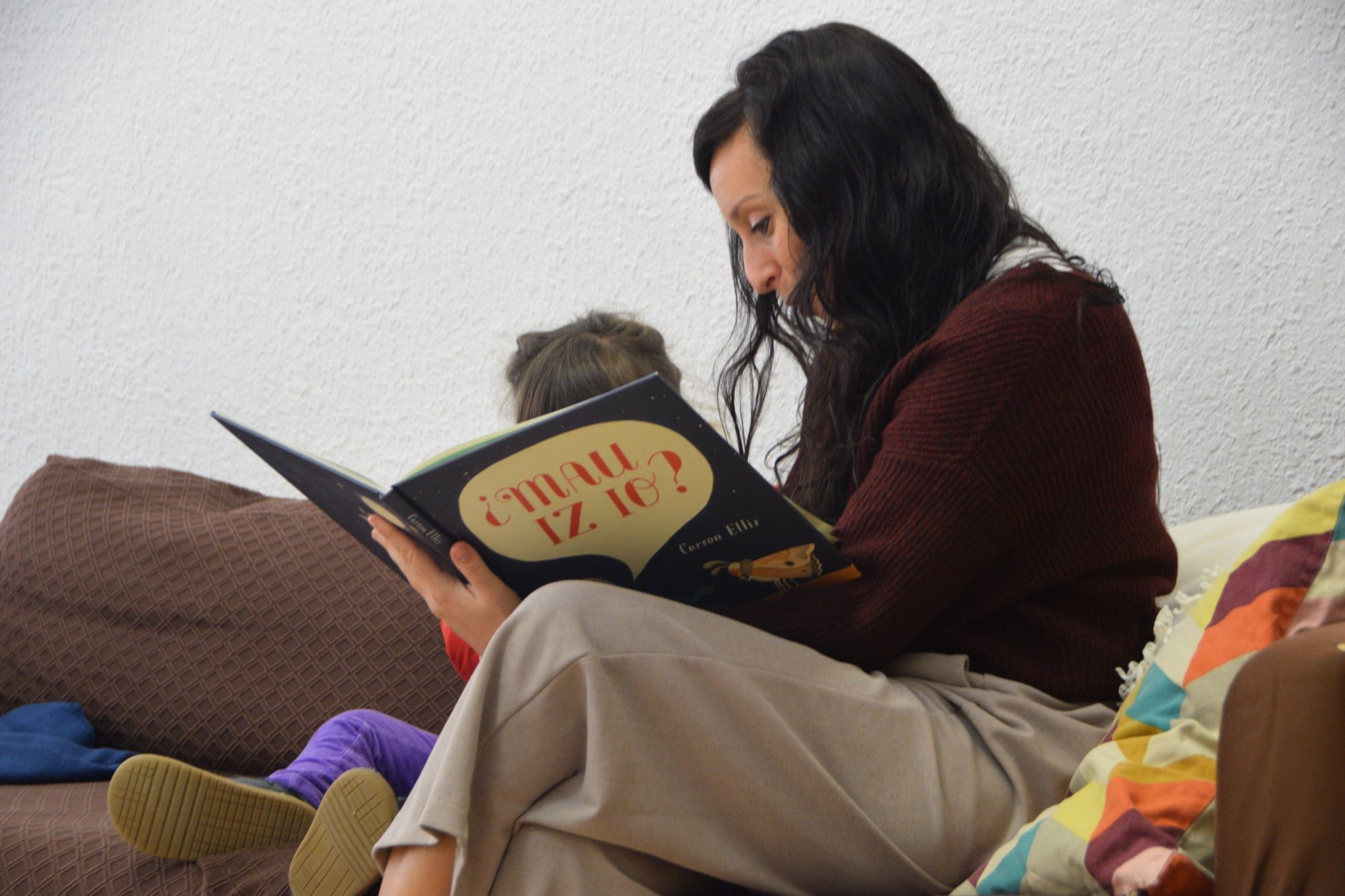
- Reading. Storytelling time.
- 2.50–3 pm
- Home time.
- 3 pm
- Extended-hours service or after-school activities (optional).
In addition, one day a week we go out of school to explore and inhabit the nearby surroundings, making use of the neighbourhood’s parks and gardens and other spaces in the area.
Spaces
The entrance to the school for the early years and lower cycle groups is on Carrer Feliu, 14-16.
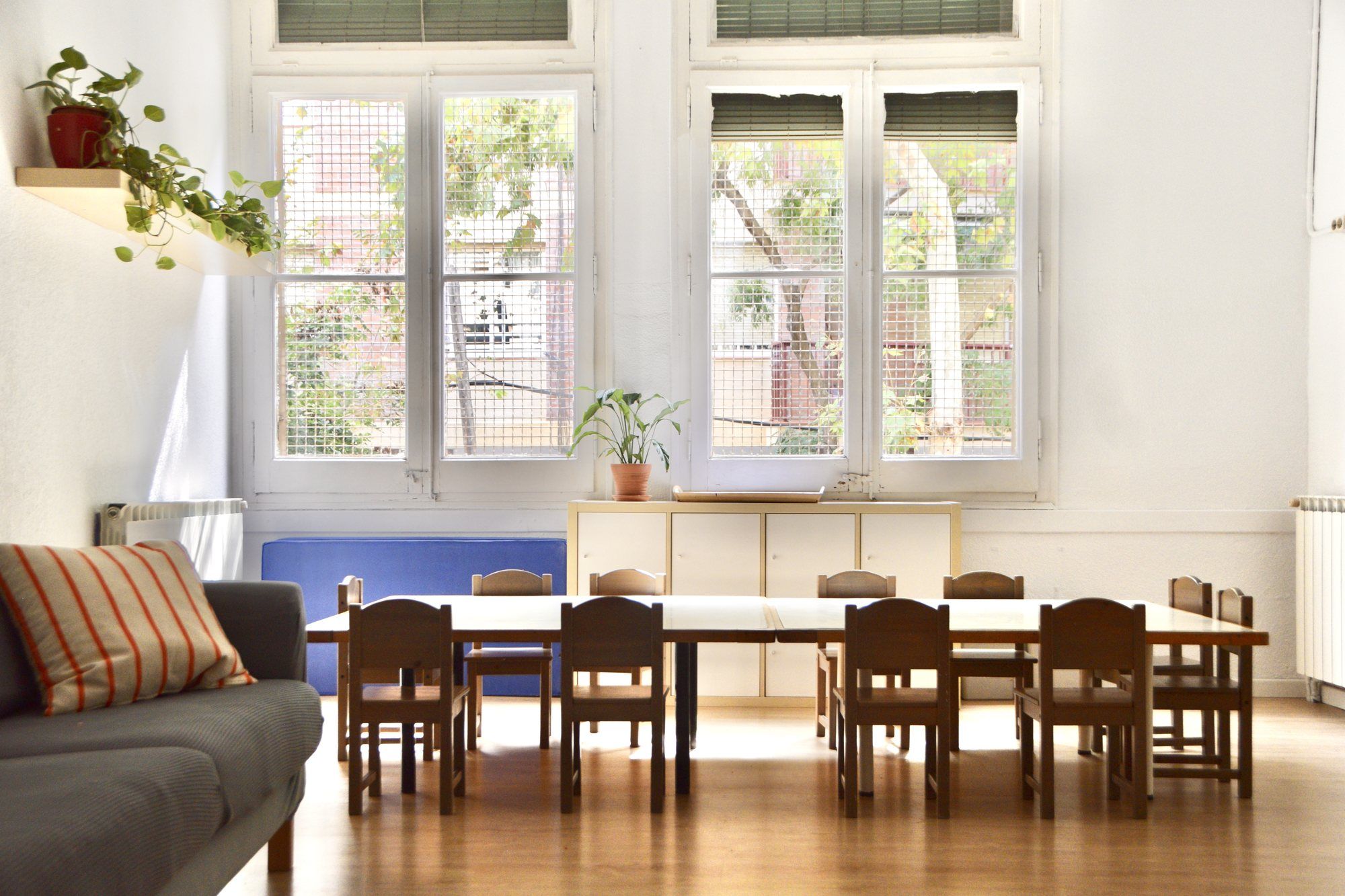
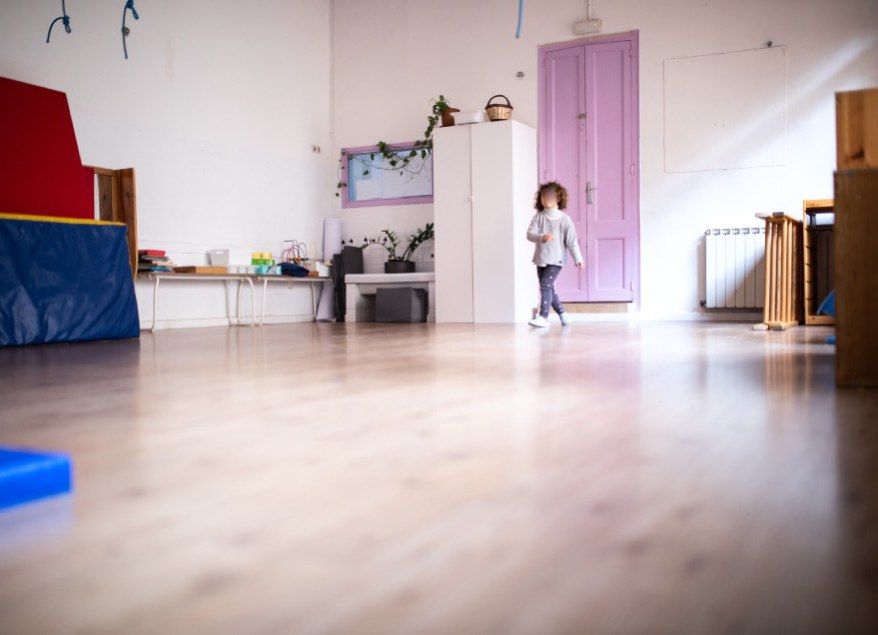
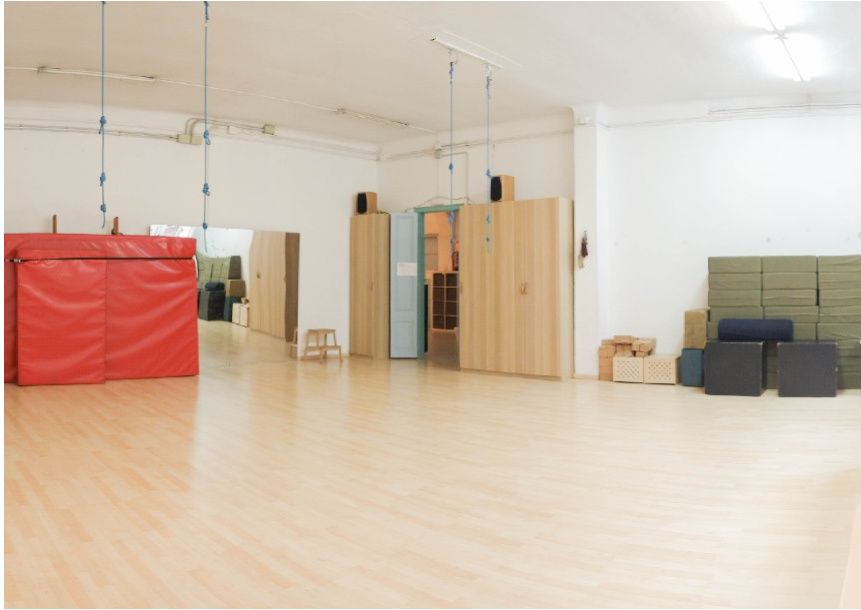
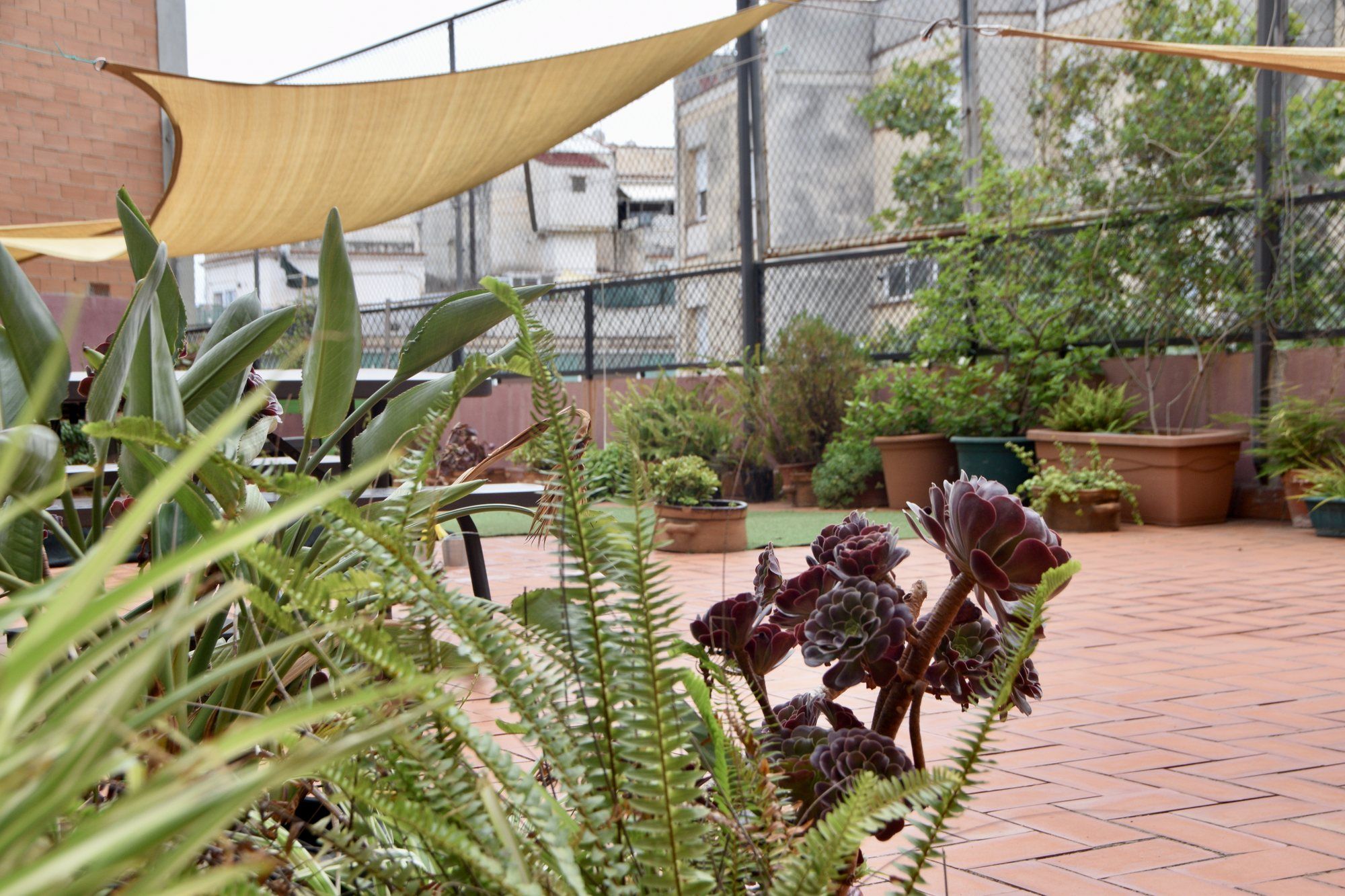
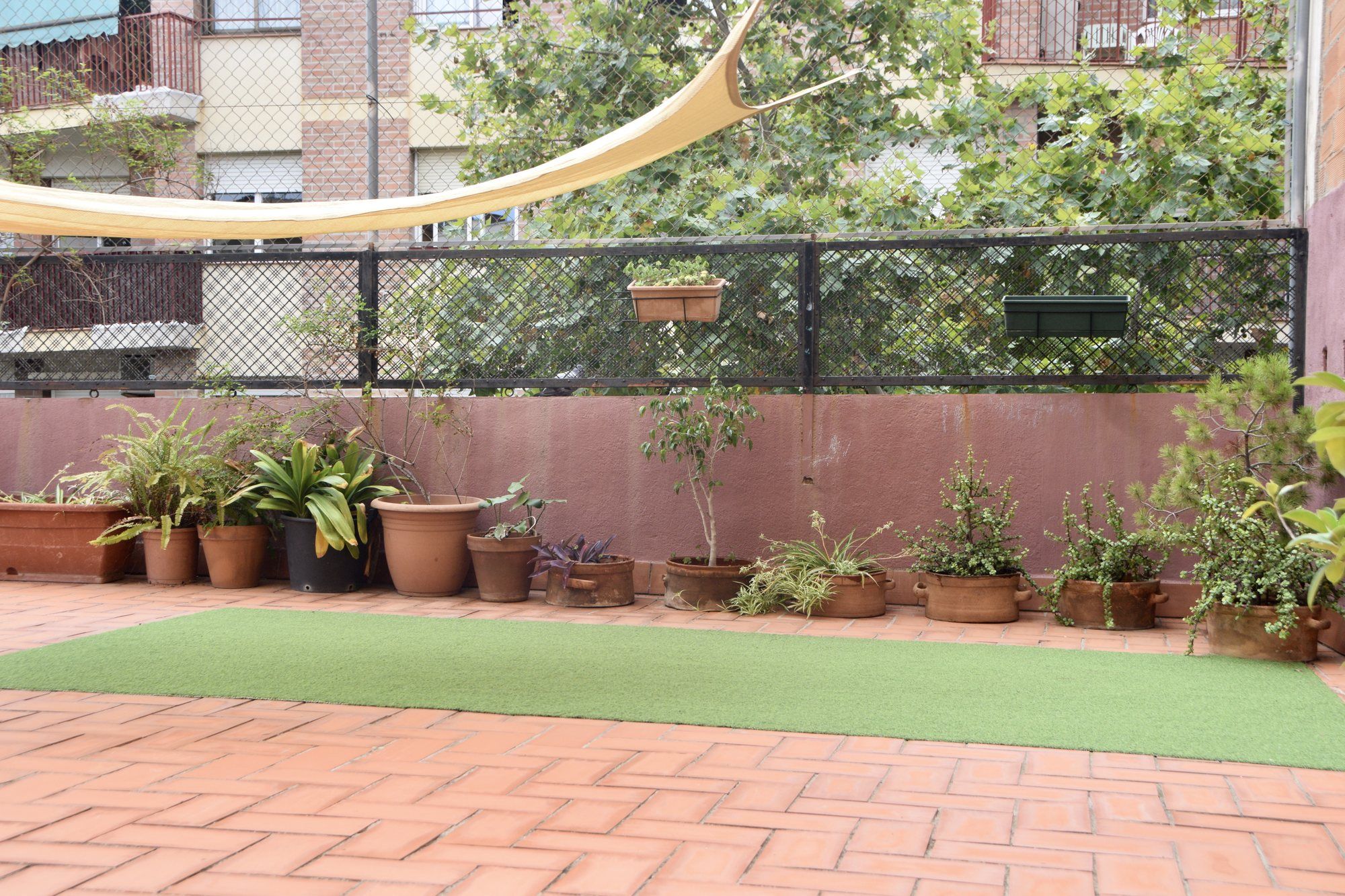
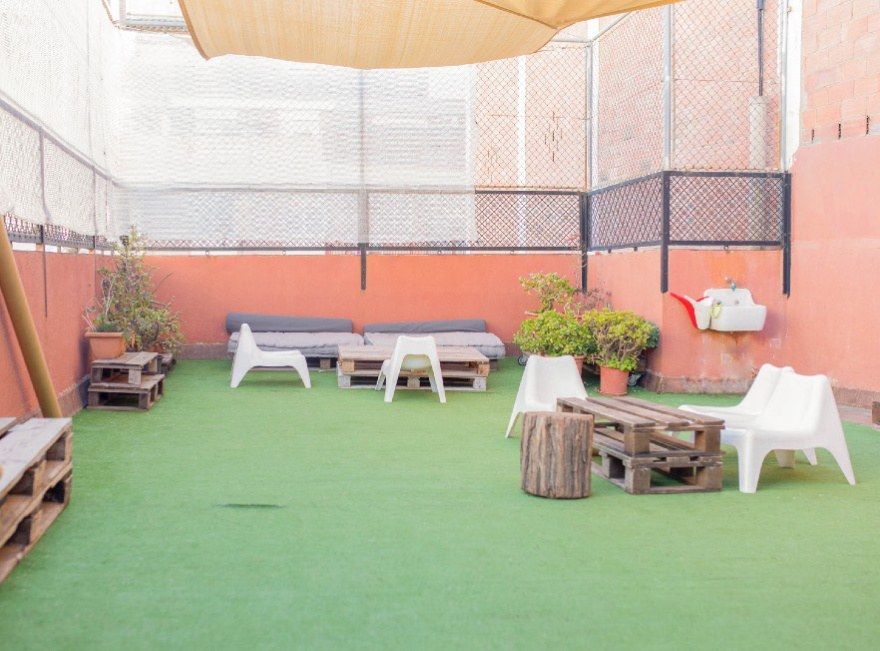
At this stage, the spaces on the middle floor of the building are usually used. These are mainly the Library room, the Workshops room, the Movement room and the playground.
Groups and ratio
We are committed to organising children in small groups because we know it is a necessary condition for offering close, attentive accompaniment to each child. A low ratio makes it possible to know each person better, listen to their needs and interests and follow their learning, emotional and personal processes carefully. At the same time, it allows proposals to adapt to the moment and to the characteristics of the group, gives more room for participation and decision-making, and makes it possible to build bonds of trust that foster autonomy, well-being and shared learning.
Read more
Groups are organised mainly by cycles, but it is not a rigid arrangement. Each child’s needs are the main criterion in forming them, so at times there may be children of other ages within the same group. We continually consider whether each child is in the group that suits them best and, when necessary, we make the appropriate changes.
We believe the mix of ages is very enriching, while we also maintain a distinction between the different cycles and the way of working in each, suited to the characteristics and needs of each developmental stage. Alongside this, there are often inter-cycle proposals and activities that widen this exchange even further. They may be one-off activities, projects that arise from shared interests or proposals linked to common goals, such as fixing up and designing the playground, preparing a celebration or creating a play. We also create spaces in which the older children can make proposals to the younger ones: reading them a story, showing them a project, preparing a performance, designing a movement circuit or suggesting a game in the playground.
The school’s overall ratio is roughly one reference adult for every 10–12 children. In the early years it comes down to a maximum of 8 to 10 children per reference adult, while in primary it rises to 12–13, depending on the characteristics of each group. These ratios may vary slightly in primary according to the group’s needs, but we always aim for them to be small enough to guarantee close follow-up consistent with our pedagogical principles and to attentively accompany the different learning, emotional and personal processes that take place throughout the stage.
Come and see early years
Enrolment is open all year round. You can contact us to come and get to know us.
Request a visit