Officially recognised living school · ages 3–12
The school
At Espai Aigua we enjoy the educational present of children and teachers with attention and care. We grow, share, make and create.
- Status
- Officially recognised school
- Stages
- From early years (age 3) to Year 6 of primary
- Groups
- 8–10 in early years · 12–13 in primary
- Hours
- 9 am to 3 pm · extended hours 8.30 to 9 am and 3 to 4 pm
- Where
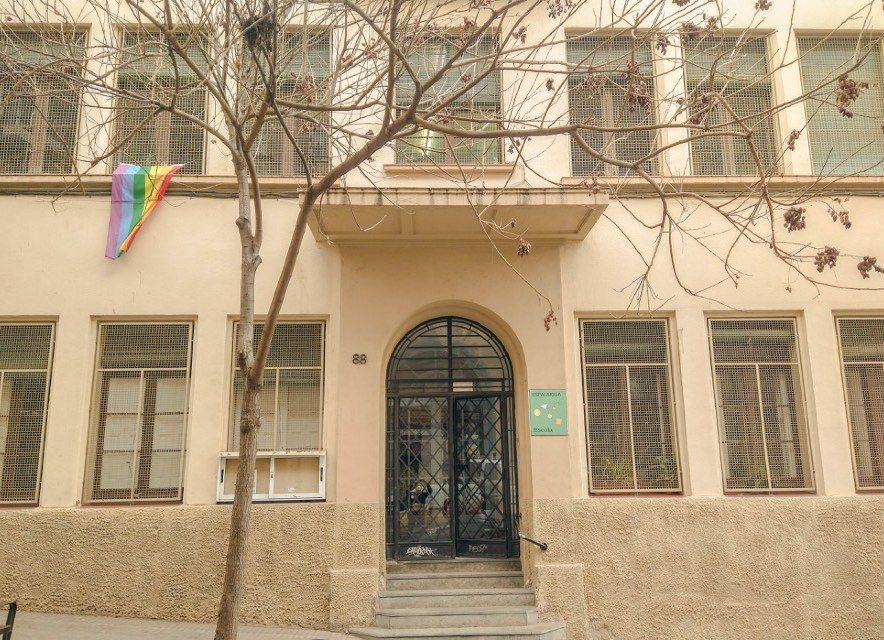
- Rambla Volart, 88 · Guinardó
- Since
- 2009
Origins
Espai Aigua is an officially recognised early years and primary school with 18 years of history. The project was born in mid-2009 in the Clot neighbourhood out of our concerns about education and child-rearing, as families and as professionals working with children.
Read more
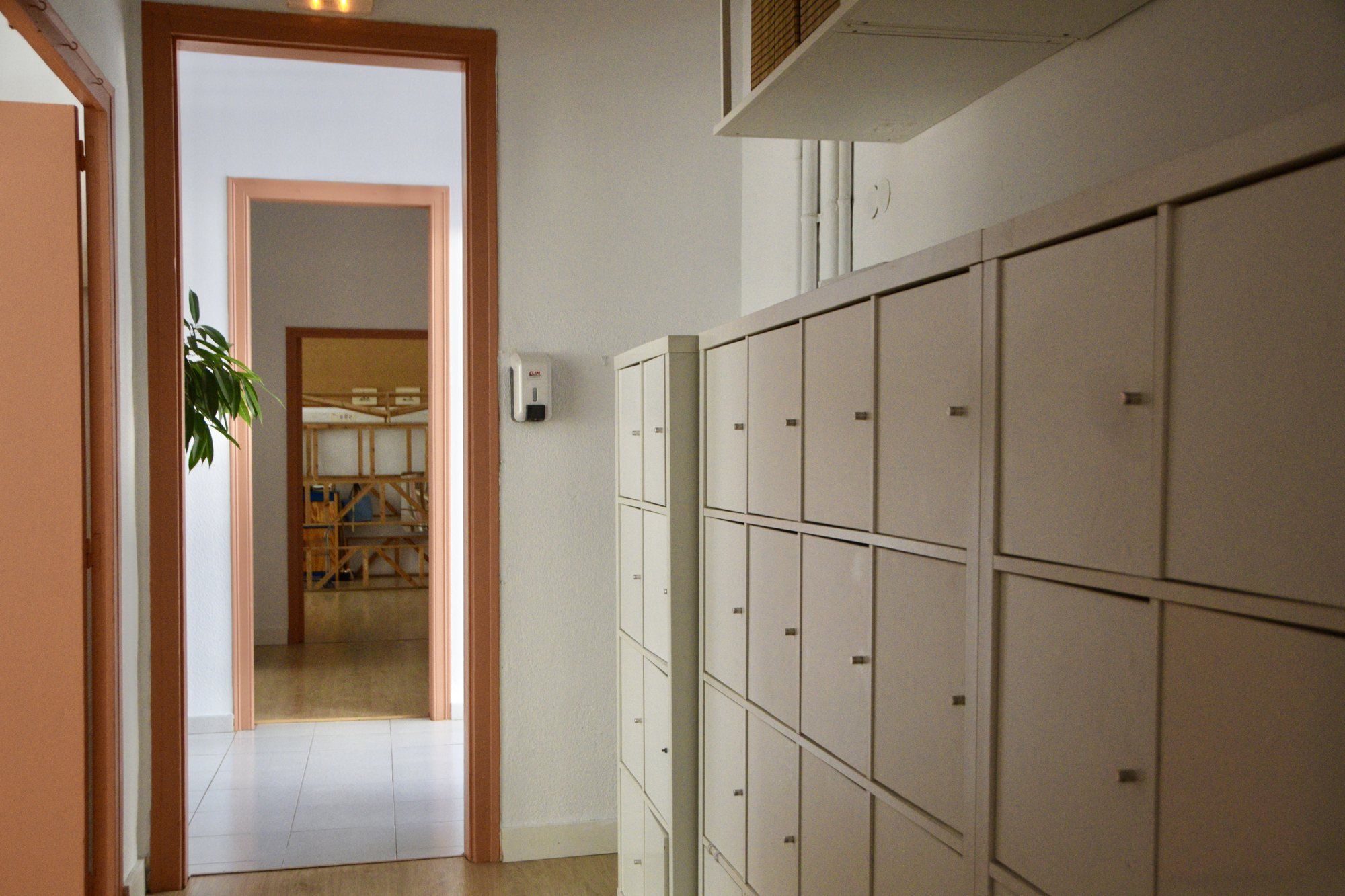
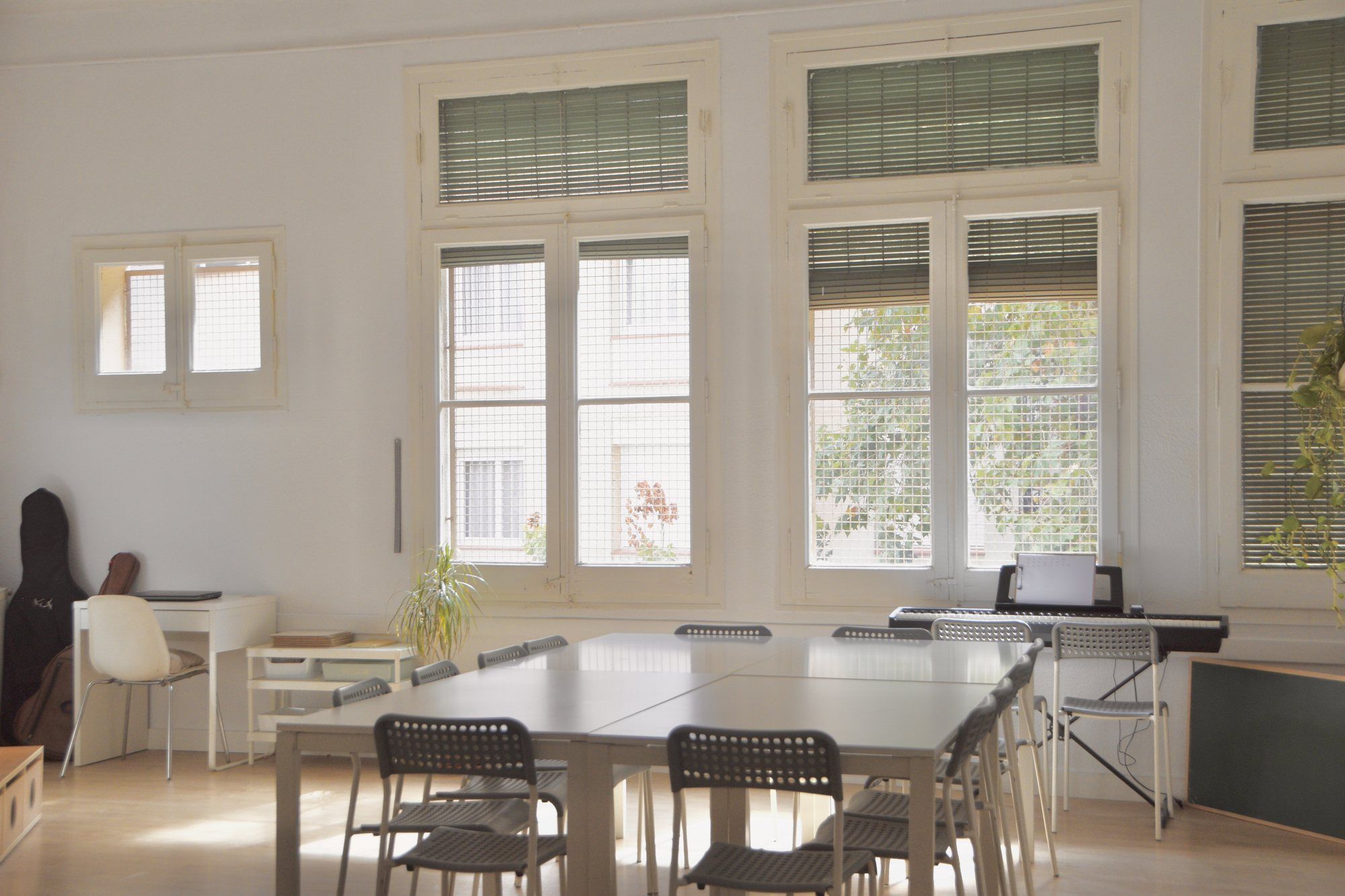
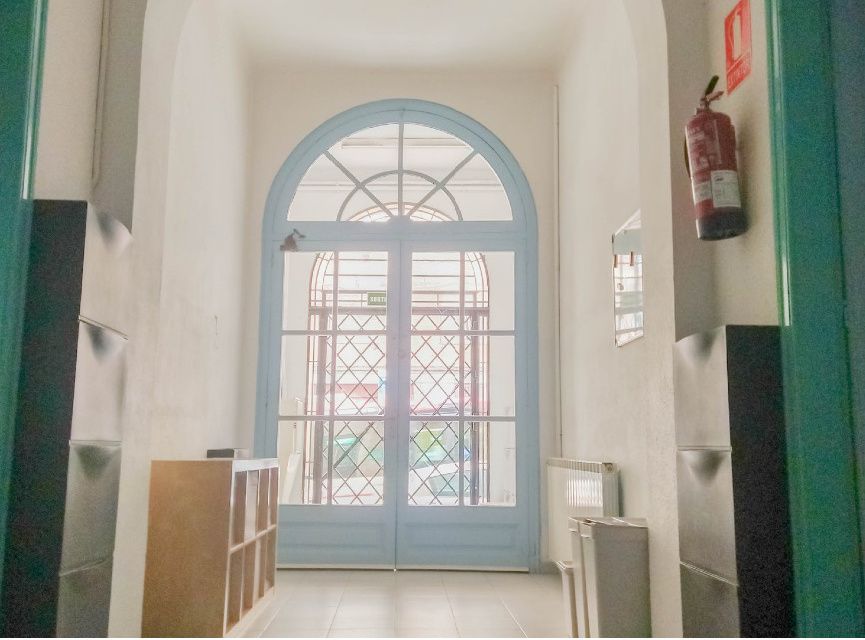
Espai Aigua started this project in premises in the city of Barcelona, in the Clot neighbourhood. This space housed the project for its first six school years. In September 2015 the project moved to the building of the former Tres Fonts state school, in Barcelona’s Guinardó neighbourhood, which had closed for good as a municipal school in June 2015. 17 years later, the project obtained official recognition from the Department of Education, achieved after the building was adapted. This recognition gives official status to the children’s schooling at the project without giving up our way of doing and understanding education.
How we learn
Sensitive pedagogy
If there is one trait we want to run through every one of our interventions, investigations, observations, proposals and, in general, our daily practice, it is sensitivity.
Learning by doing
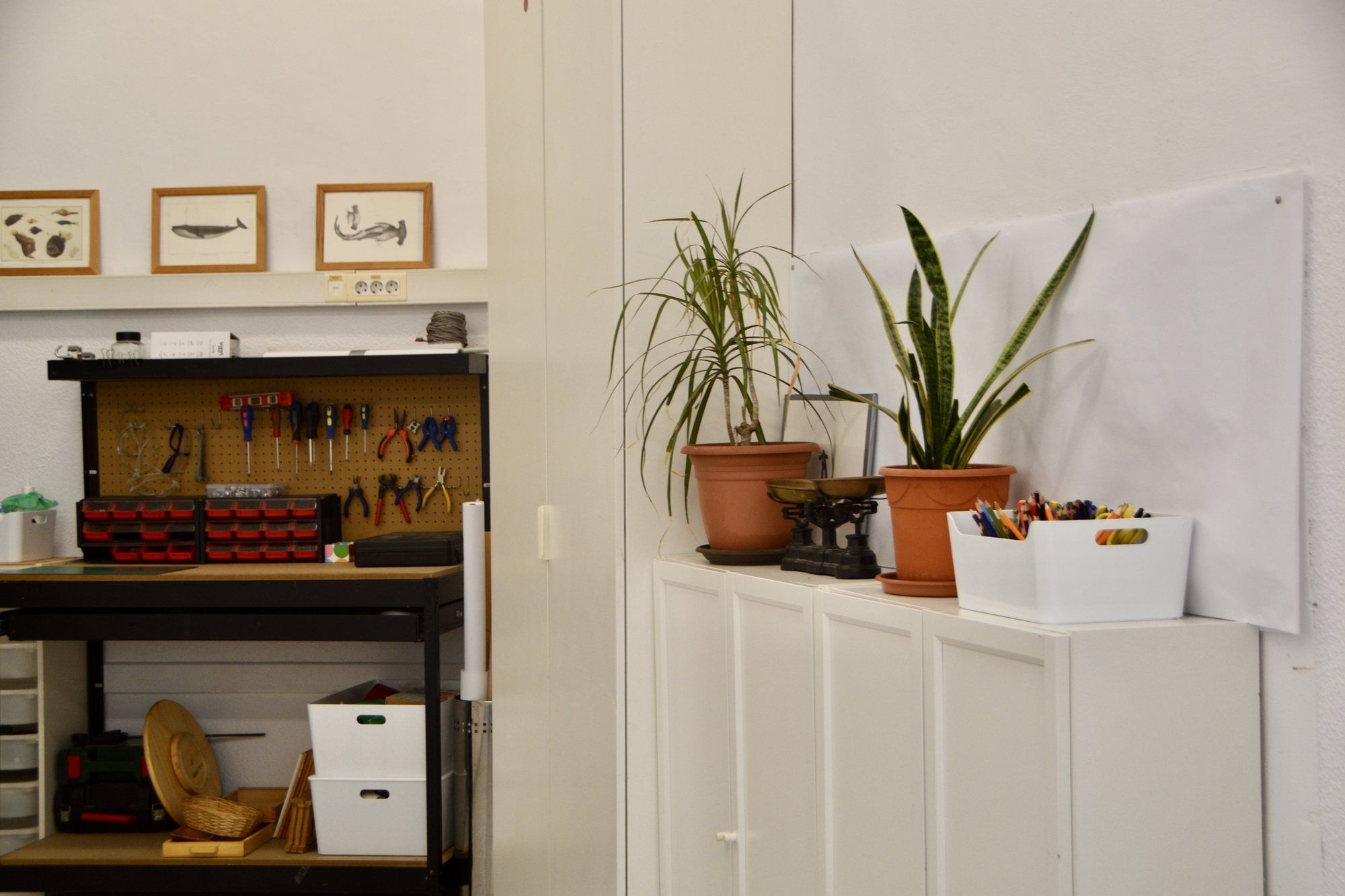
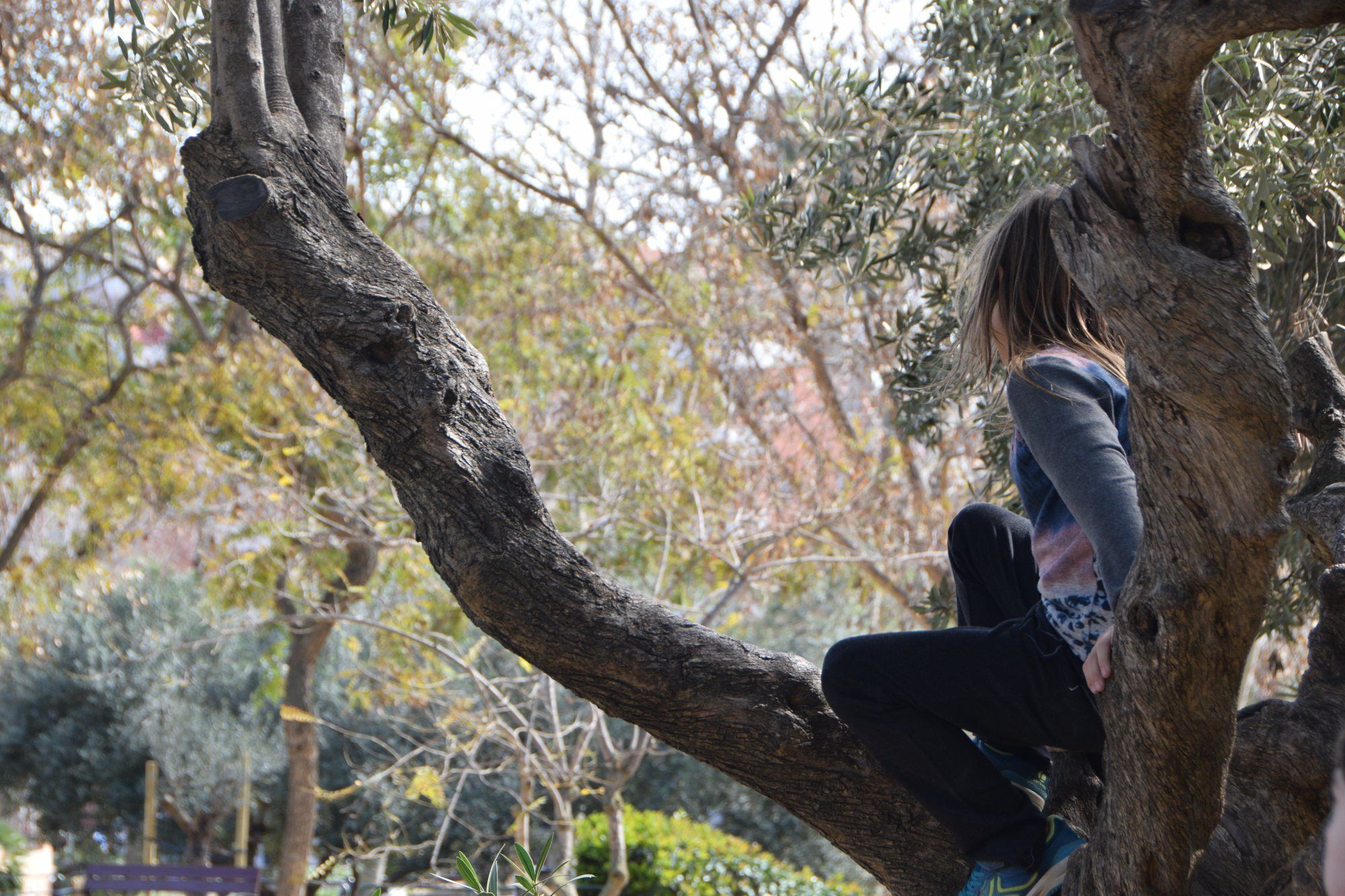
Any activity or proposal should consist largely, if not entirely, of handling and creating, so that learning is as complete and satisfying as possible.
Undisciplined projects
Our proposal is a new methodology for approaching the school curriculum through, among other things, STEAM interdisciplinarity (science, technology, engineering, arts and design, mathematics), erasing the artificial lines that divide knowledge into areas so as to approach it from a holistic, interrelated perspective that fits the real world.
School as a place of life and of living together
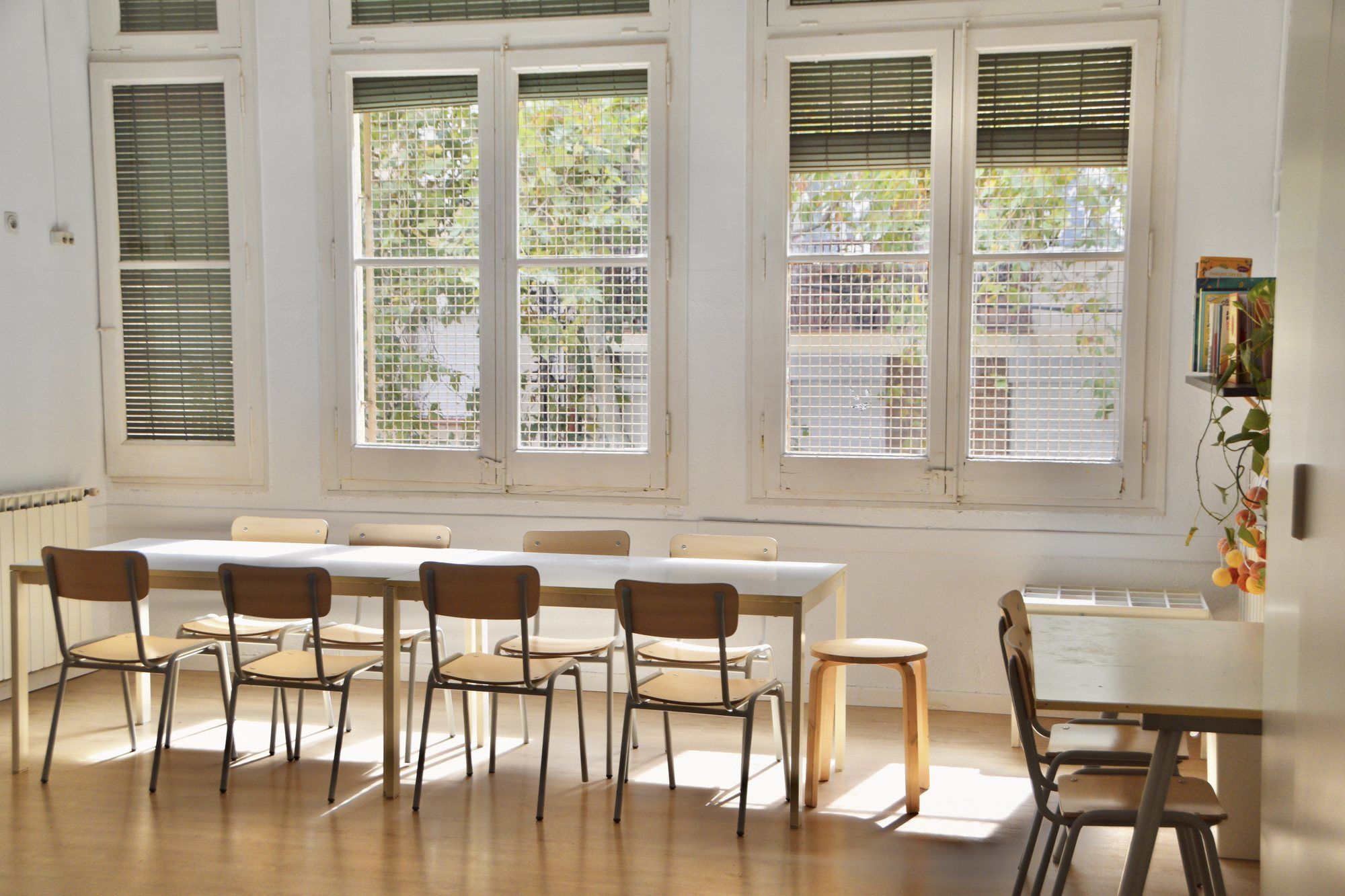
School is not a place to prepare for later life: it is present life, where problems are solved and solutions sought for what is happening here and now.
Ecology and coeducation
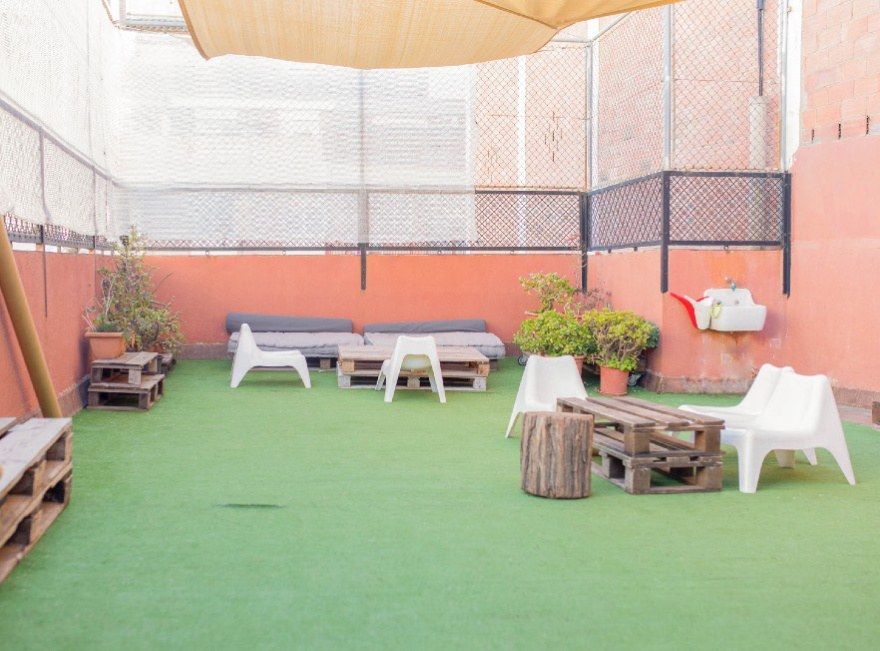
Every form of expression is equally valid and recognised. At school, care is at the centre of our human and non-human relationships.
No exclusion
We are all included from the moment we are born. Diversity is not accepted: it simply is.
Early years methodology
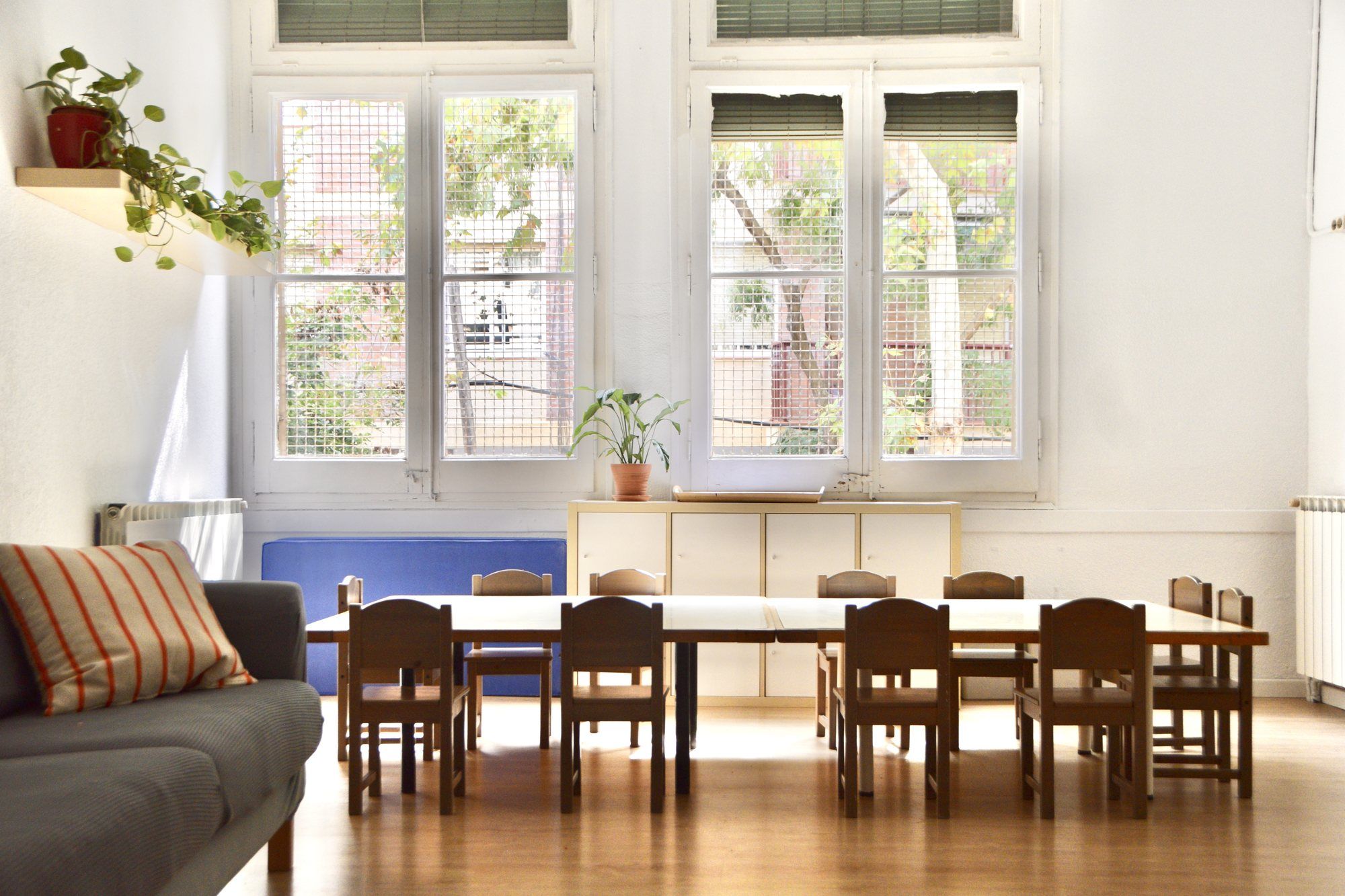
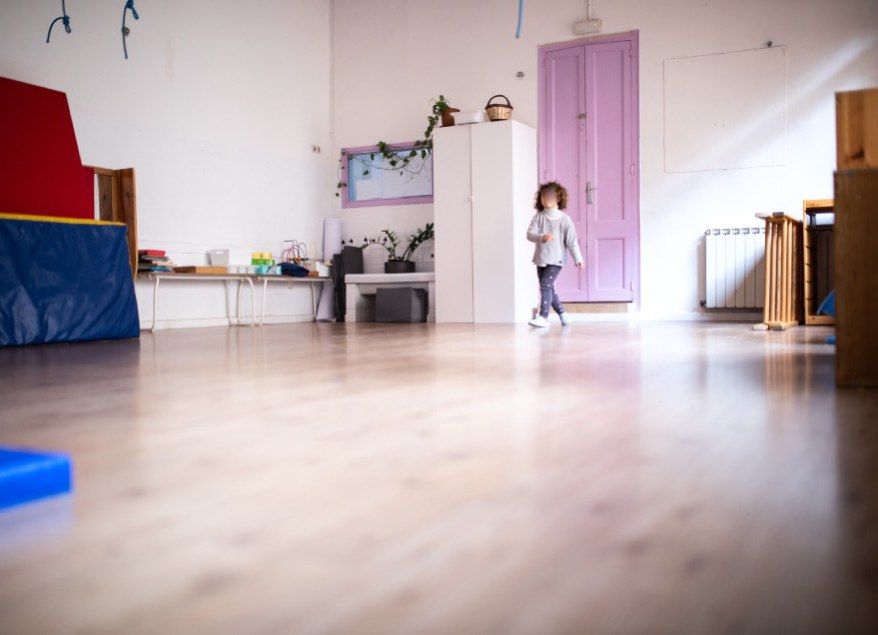
In the early years stage, we pay special attention to accompanying children’s emotional processes and the development of their autonomy, respecting their rhythms and needs and offering them a safe environment in which to grow and develop.
Read more
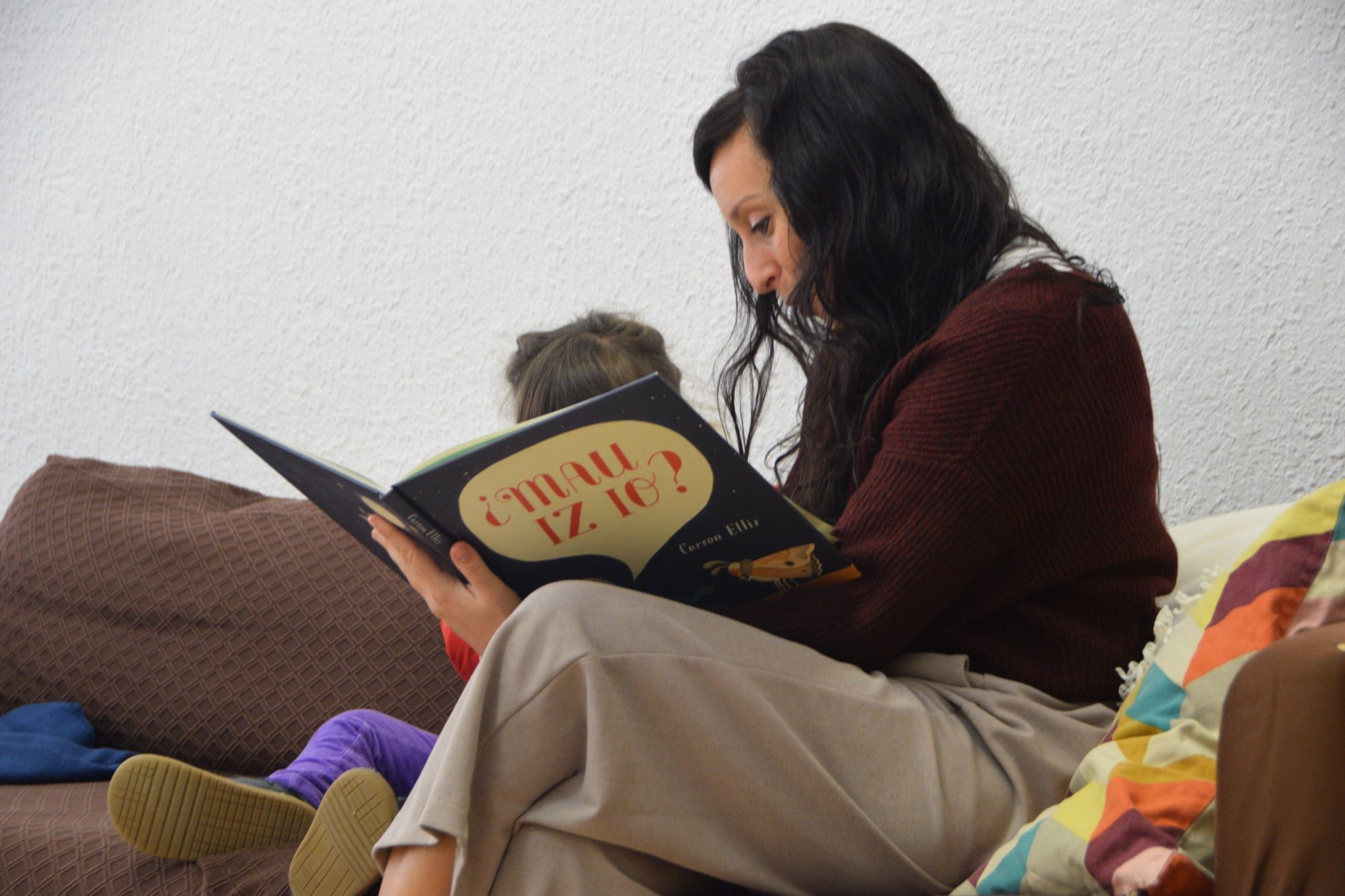
At Espai Aigua we understand that people, adults and children alike, do not learn through instruction but through living together. Our efforts are therefore directed at creating a pedagogical space where children can be themselves and relate, among themselves and with adults, with respect, trust and mutual acceptance.
Primary methodology
Our pedagogical approach draws on experimentation, learning by doing, the arts, the maker and tinkering movements…
Read more
What matters to us is fostering the development of personal resources, their own tools and competences, which let children access any kind of knowledge, make connections and meet the challenges they face. At the same time, educating a critical, sensitive and curious gaze.
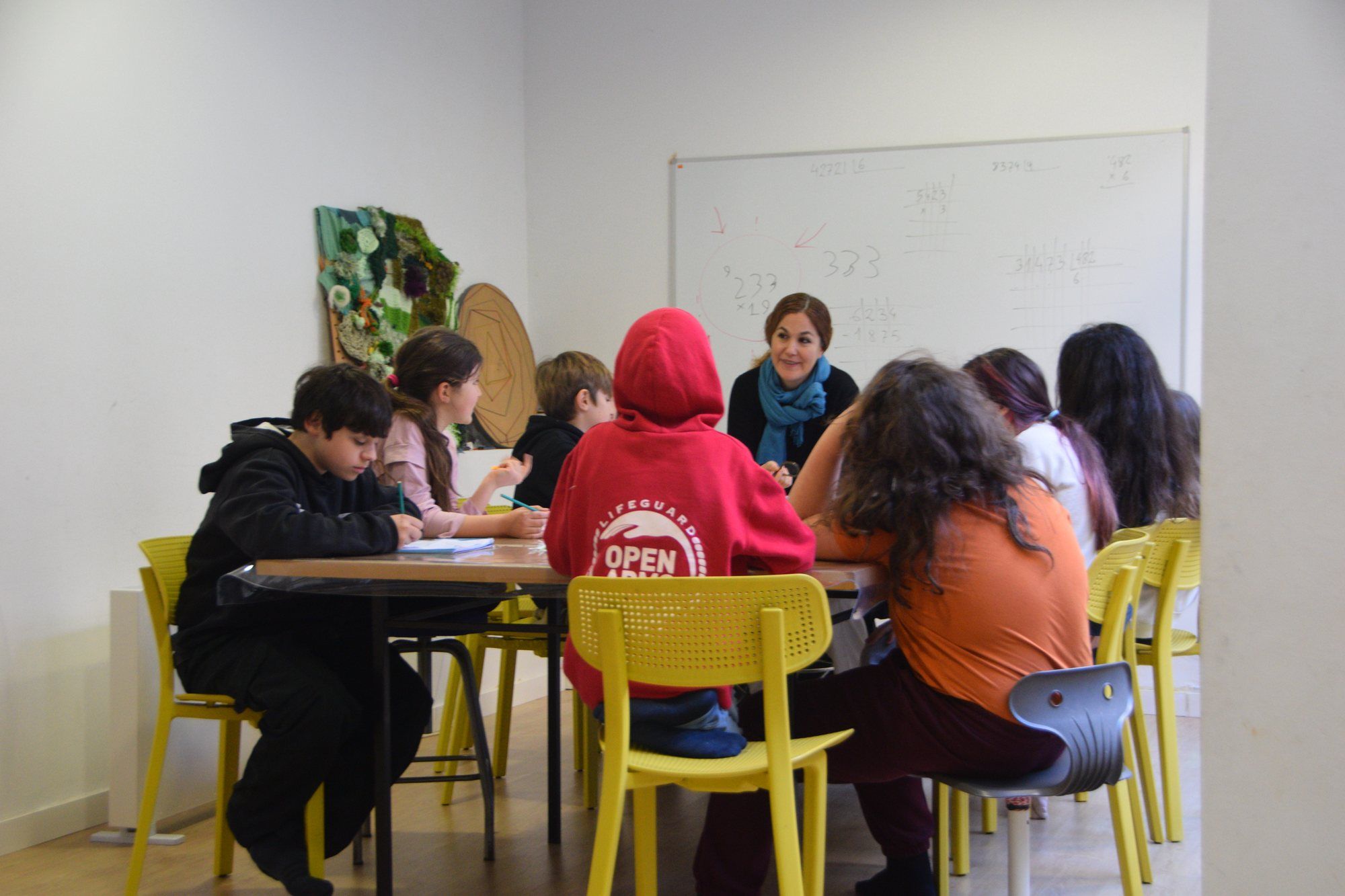
Groups and ratio
The school’s overall ratio is roughly one reference adult for every 10–12 children. In the early years it comes down to a maximum of 8 to 10 children per reference adult, while in primary it rises to 12–13, depending on the characteristics of each group. These ratios may vary slightly in primary according to the group’s needs, but we always aim for them to be small enough to guarantee close follow-up consistent with our pedagogical principles and to attentively accompany the different learning, emotional and personal processes that take place throughout the stage.
Read more
Groups are organised mainly by cycles, but it is not a rigid arrangement. Each child’s needs are the main criterion in forming them, so at times there may be children of other ages within the same group. We continually consider whether each child is in the group that suits them best and, when necessary, we make the appropriate changes.
We believe the mix of ages is very enriching, while we also maintain a distinction between the different cycles and the way of working in each, suited to the characteristics and needs of each developmental stage. Alongside this, there are often inter-cycle proposals and activities that widen this exchange even further. They may be one-off activities, projects that arise from shared interests or proposals linked to common goals. We also create spaces in which the older children can make proposals to the younger ones: reading them a story, showing them a project, preparing a performance, designing a movement circuit or suggesting a game in the playground.
Teaching team
Cristina García Carbonell
Head of pedagogy. Teacher specialising in special educational needs.
Sara Maurel Virtus
Early years teacher.
Alicia Camargo Donaire
Degree in Fine Arts.
Jose Rodríguez Gutiérrez
Degree in Translation and Interpreting (English). Master’s in teaching.
Laura Arnal Villanueva
Primary teacher, music specialist.
Virginia Saura Caroli
Special educational needs teacher.
Adriana Gil Yela
Primary teacher, specialising in attention to diversity. Degree in Social Education.
Lourdes Ruiz
Administrative secretary.
Icela Cisneros
Maintenance.
Come and visit
Enrolment is open all year round, subject to the availability of places. If you would like to get to know the project, you can contact us to arrange a visit.
Request a visit