School · Primary
Primary, ages 6 to 12
Our pedagogical approach draws on experimentation, learning by doing, the arts, the maker and tinkering movements…
- Ages
- Years 1 to 6 (ages 6 to 12)
- Ratio
- 12 to 13 per reference adult, by cycle
- Hours
- 9 am to 3 pm
- Morning meeting point
- Frederica Montseny Gardens
- Entrance
- Rambla Volart, 88 (lower cycle: Carrer Feliu, 14-16)
Learning in primary
What matters to us is fostering the development of personal resources, their own tools and competences, which let children access any kind of knowledge, make connections and meet the challenges they face. At the same time, educating a critical, sensitive and curious gaze.
Read more
Following the pedagogical line that begins in the early years stage, in primary we continue working to respect each person’s singularities, without judgement, and making sure that expectations do not mean expecting the same results from everyone, allowing each child to keep their genuine way of being without transforming it.
Our approach starts from a sensitive and critical gaze towards children and towards the world we inhabit. Sensitive, because we want to be attentive to each child’s processes, to their rhythms, interests, emotions and particular ways of learning and relating. Critical, because we do not want to limit ourselves to reproducing existing knowledge, ways of doing or structures, but to offer tools so that children can observe them, question them, transform them and develop their own judgement.
We accompany children as they gradually take on more autonomy and responsibility for their learning. Reference adults are not just transmitters of knowledge, but people who observe, listen, offer tools, open up possibilities, ask questions and accompany processes. They start from children’s interests, but they also broaden the outlook, introduce new references and create situations that make it possible to go beyond what children already know.
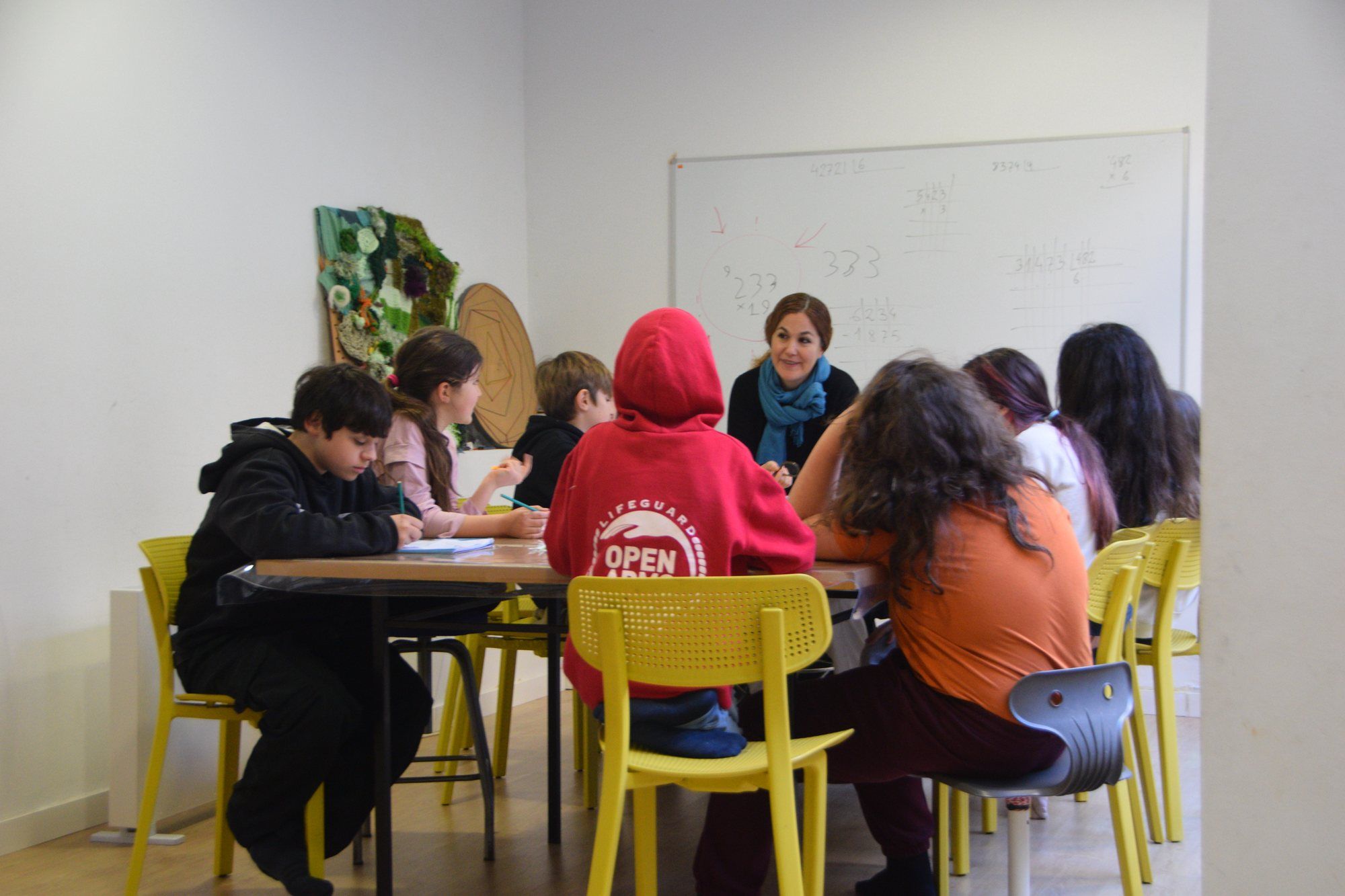
This way of understanding education requires more flexible ways of working and of reaching learning. That is why we combine moments of individual work, work in pairs, in small groups, with the reference group or with the whole cycle, and we propose different languages and tools for approaching reality. We do not expect everyone to do the same thing or to arrive at the same place in the same way; we aim to create the conditions for each child to move forward from where they are and develop their possibilities.
At the same time, this flexibility does not mean giving up curriculum learning. We work so that children develop the knowledge, skills and competences they need to understand and take part in the world, but we try to make this learning meaningful, connected to real experiences and useful for interpreting and transforming reality, rather than simply for accumulating information.
In short, we see primary as a stage in which children can discover who they are, what interests them, what they can contribute and how they want to relate to the world. A time for building knowledge, but also for building themselves as people able to think, create, decide, care and take part in the community they belong to.
Settling into the new stage
The move to primary is an important change that we accompany gradually and respectfully, bearing in mind each child’s path and needs. Whether they are continuing at the school from the early years or joining for the first time, we prepare this process so that they can get to know the new dynamics, build bonds and find their place with time, confidence and support. Always working as a team with the family.
Read more
For children who did the early years at the school, the move to primary is approached as a continuation, but also as the start of a new stage with new possibilities and ways of doing things. During the early years this change is gradually anticipated and shared, and spaces are created so that they can get to know and draw closer, step by step, to the dynamics, spaces and people of primary.
Once the stage begins, joining the new dynamics is gradual. We do not expect children to know and take on all the ways of doing things at once on the first day; instead we gradually increase the degree of autonomy, responsibility and participation we ask of them. Reference adults, together with families, are especially attentive during this period to detect what each child needs, adjust the timing and offer the support needed so that the change is experienced with security and confidence.
There are also children who arrive in primary after doing the early years at other schools or educational projects, or who until then have been looked after in other contexts, such as at home. For them, settling in means not only getting to know a new stage but also discovering a school with its own particular way of understanding relationships, time, spaces and learning.
That is why they are welcomed in an especially close way, giving them time to get to know the setting, the people and the dynamics before expecting full participation. Reference adults accompany this process closely and help each child understand and gradually take on the school’s ways of doing things, also building on the experiences and learning they bring from their previous path.
This accompaniment also takes families into account. Their presence and participation in the early days can greatly ease the transition, especially when the child needs to build trust in the new setting. We adjust this presence to the needs of each child and family, so that the child can gradually make the space their own and build the bonds that allow them to feel safe and autonomous.
This approach is not limited to starting Year 1. When a child joins the school in later years, or even partway through the year, we also prepare and accompany their arrival. In these cases, we need to take into account the child’s developmental stage, the educational path they have followed so far and the particular moment the group is at.
Before the child joins, we share with the family the information needed to get to know each other and prepare the arrival. Once the child has joined, the reference adults and the group help them get to know the spaces, the people, the routines and the ways of relating, adjusting the process to what they need at each moment.
Timetable and everyday life: primary
The organisation of the primary timetable varies according to the cycle and the needs of the different groups. That is why the lower cycle and upper cycle timetables are not exactly the same. The timetable below is a guide and shows how the day is usually organised. In addition, over the year the timetable can be flexibly adapted according to the rhythms, needs and dynamics of each group.
- 9 am
- Relaxed arrival and welcome for children and families.
- 9.30 am
- Morning meetings in small groups.
- 10 am
- Tools time and work on languages.
- 11 am
- Snack.
- 11.30 am
- Projects at the LAB, activities at the sports centre, a proposal depending on the day.
- 1 pm
- Second snack.
- 1.30 pm
- Quiet games time.
- 2 pm
- Tasks: tidying and caring for the spaces.
- 2.30 pm
- Individual reading / Storytelling time.
- 2.50–3 pm
- Home time.
- 3 pm
- Extended-hours service or after-school activities (optional).
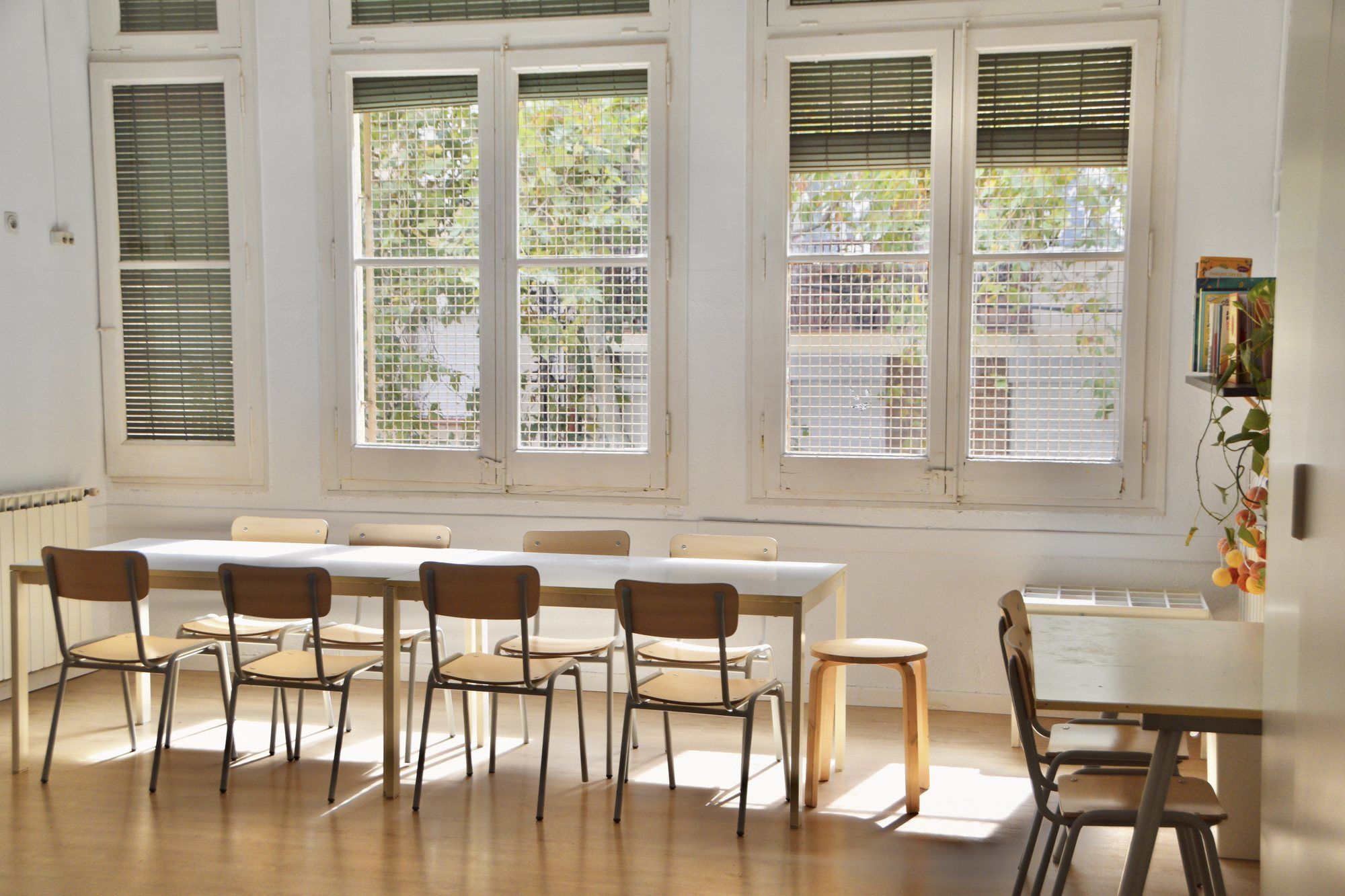
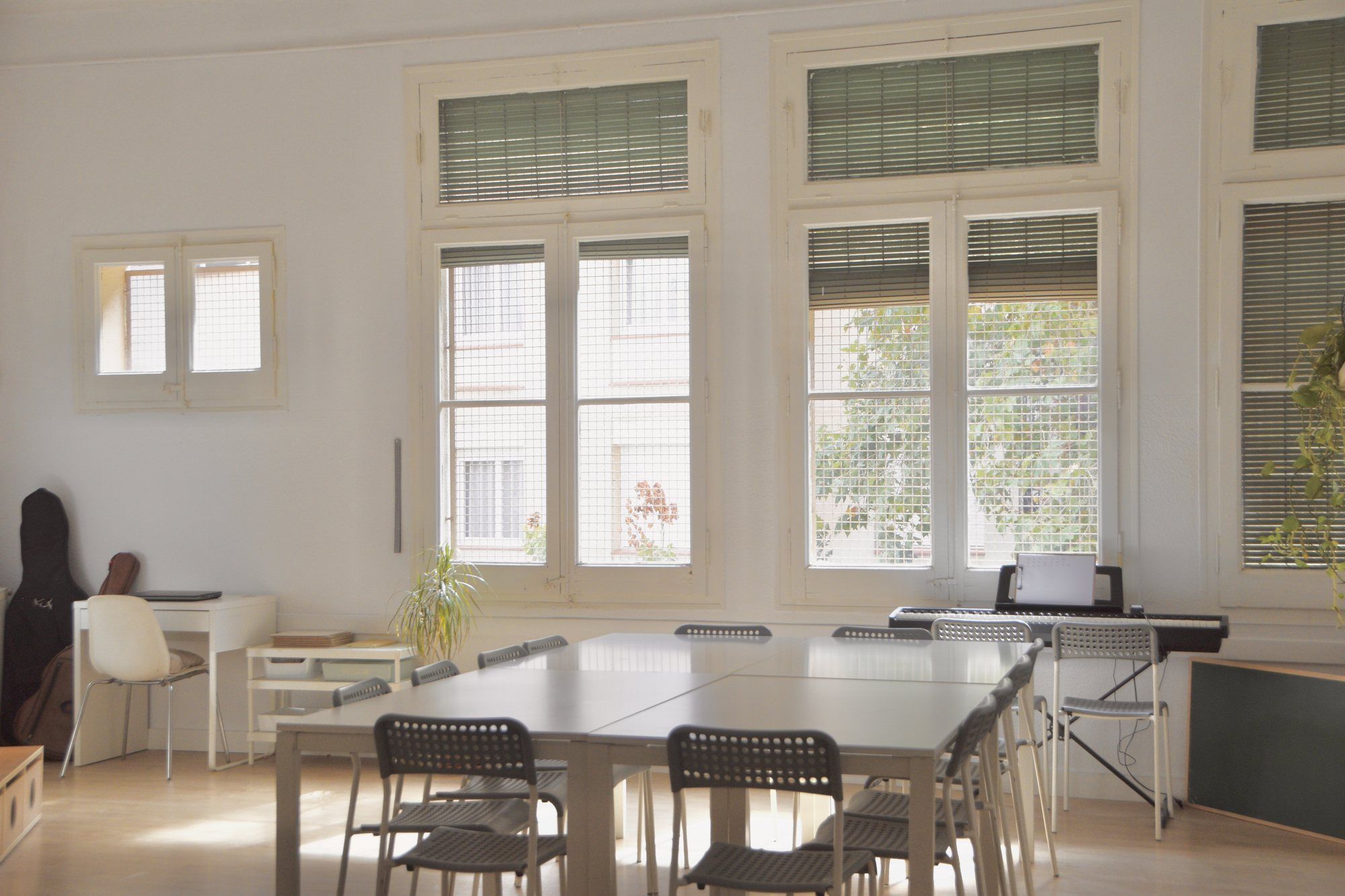
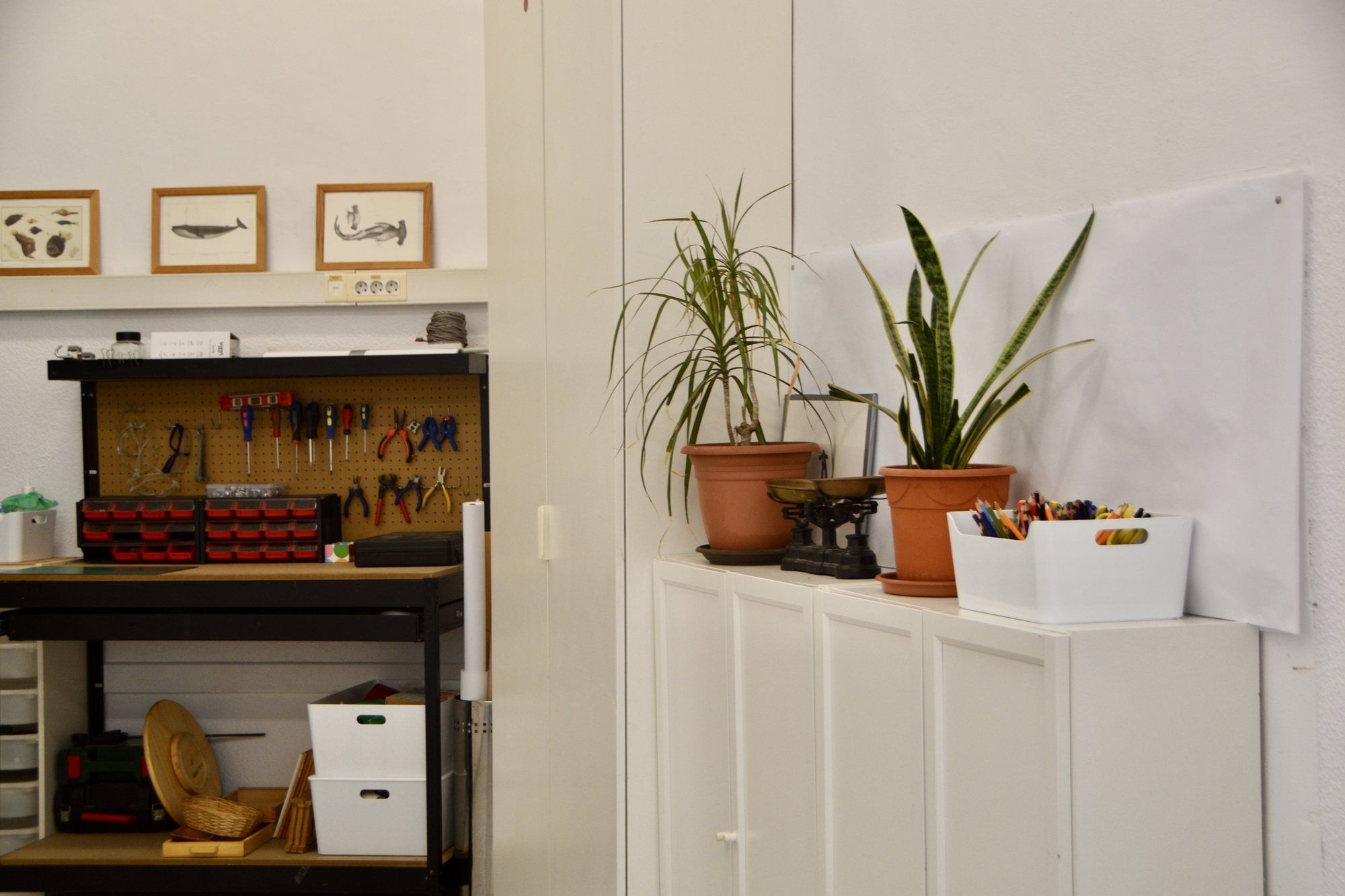
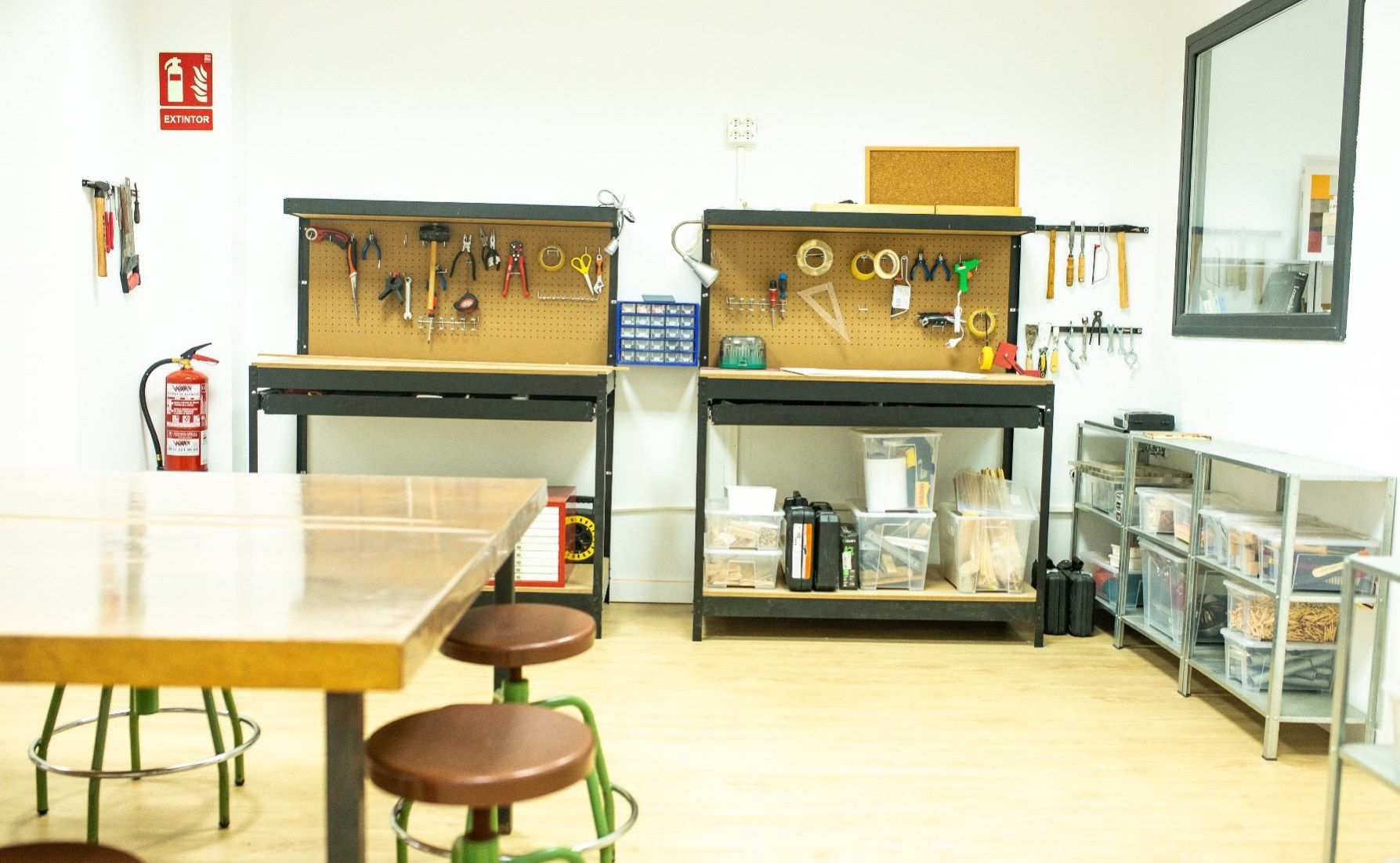
Spaces
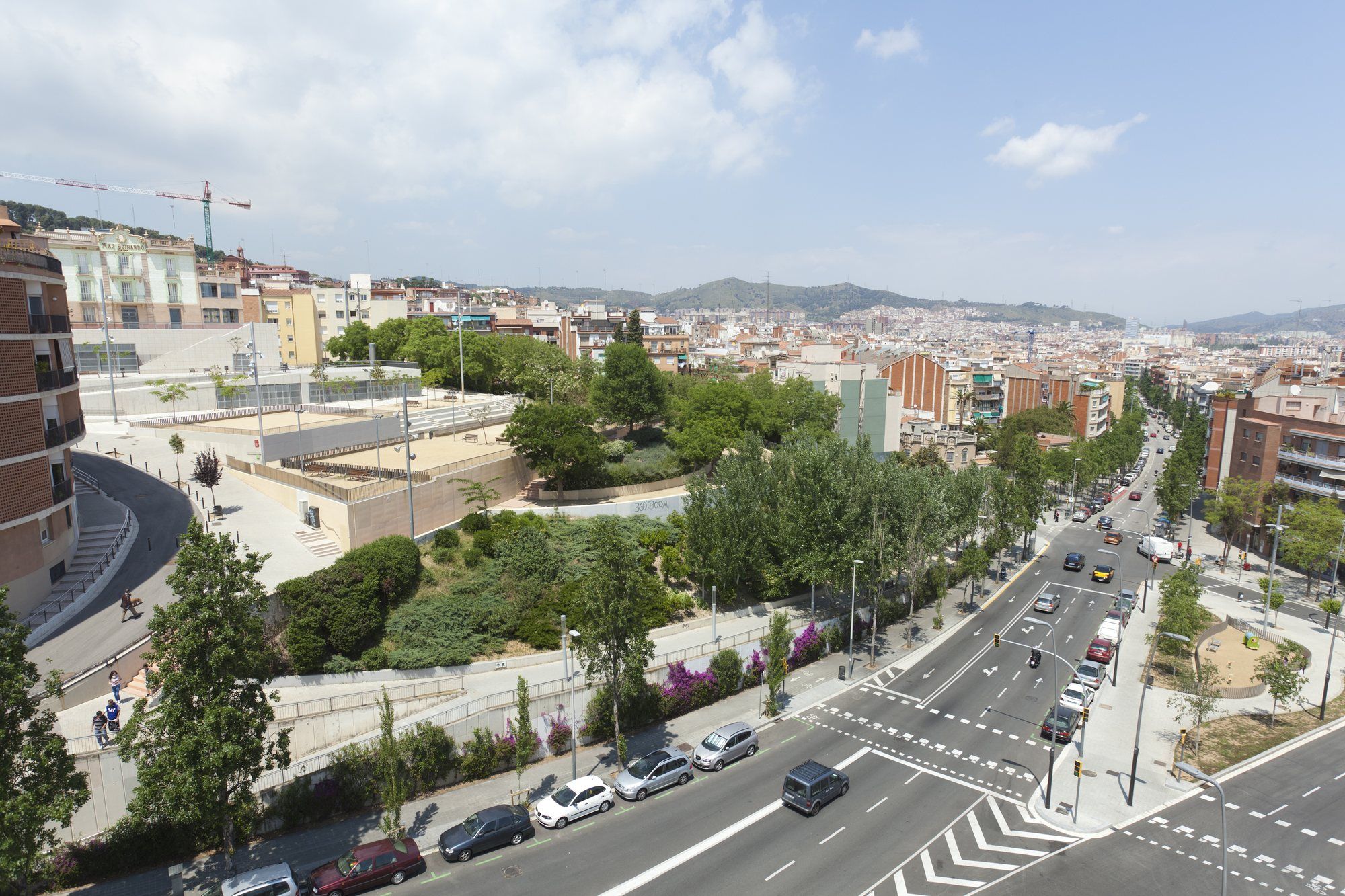
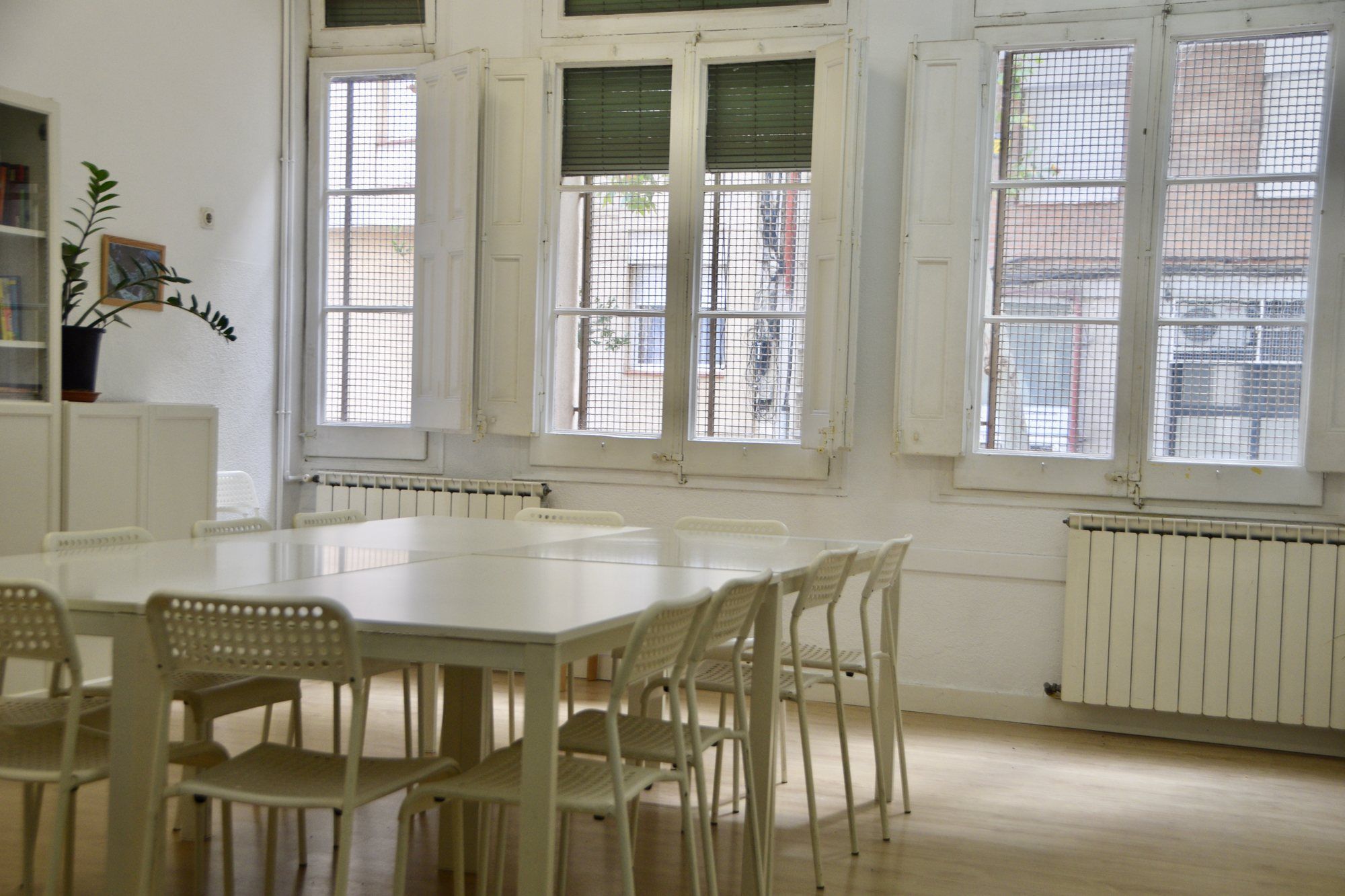
In the morning, primary children meet in the equipped outdoor area in the Frederica Montseny Gardens. Outside that time, the entrance to the school for the lower cycle group is on Carrer Feliu, 14-16, and for the other primary groups on Rambla Volart, 88.
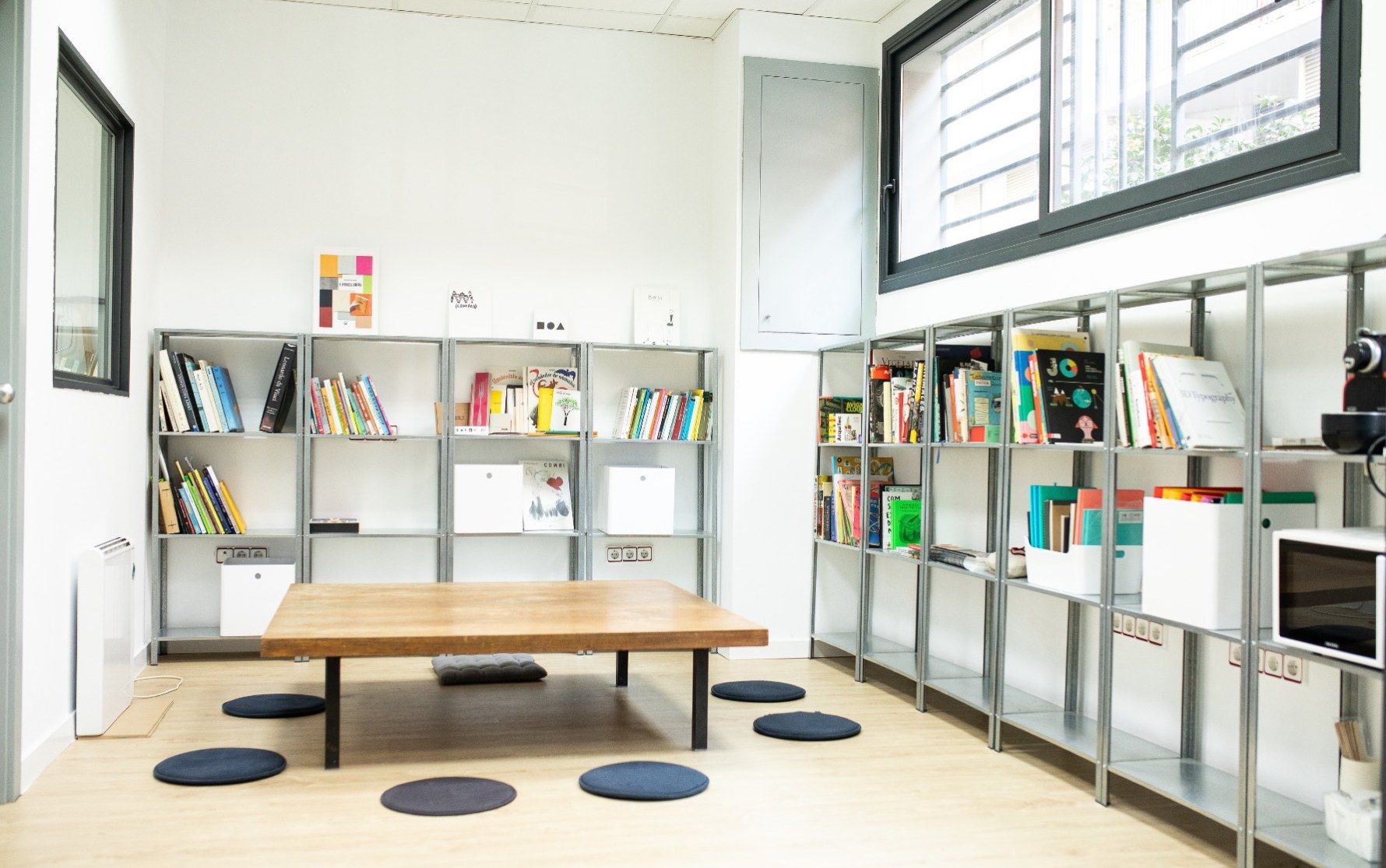
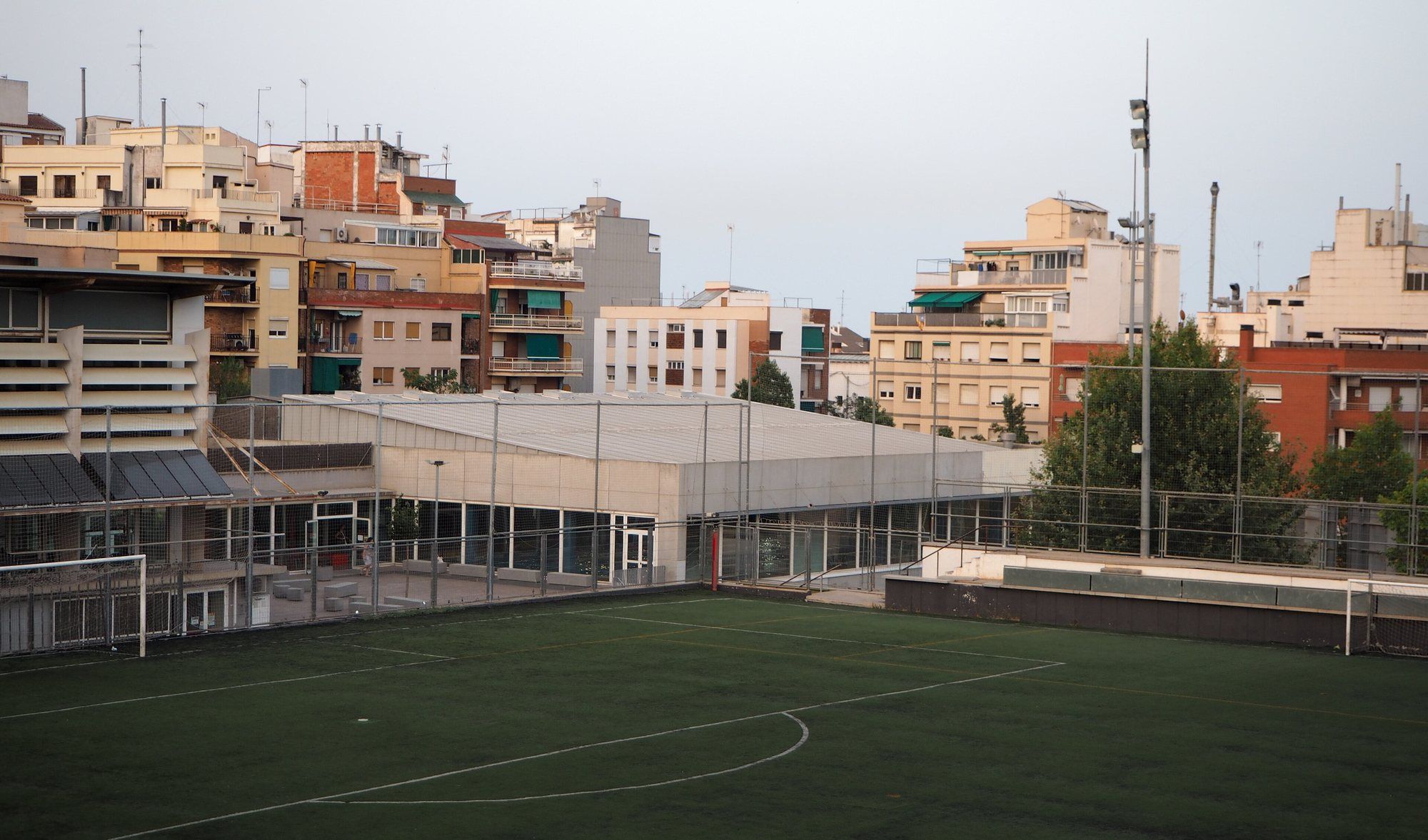
Over the week, children use different spaces depending on the activities and proposals taking place. When projects are done at the Lab, the facilities of the Pedagogical Lab (Carrer Agregació, 6) are used, and on sports days the facilities of the CEM Guinardó sports centre are used.
Groups and ratio
In primary we work with small groups because a low ratio lets us be closer to each child and to the group as a whole. This makes for more attentive accompaniment of the dynamics of living together and of emotional processes, but it also makes it possible to better adjust learning proposals, projects and curriculum content to the needs, interests and moments of each child. In this way, we can better understand how each child learns, detect what they need and offer them the support, challenges and time that help them keep developing autonomously.
Read more
Groups are organised mainly by cycles, but it is not a rigid arrangement. Each child’s needs are the main criterion in forming them, so at times there may be children of other ages within the same group. We continually consider whether each child is in the group that suits them best and, when necessary, we make the appropriate changes.
We also see small groups as a flexible structure. Not everything that happens at school is always done with the same people: there are moments when we work with the whole cycle, others when we organise ourselves into smaller groups and situations in which the proposal is carried out in pairs or individually. Groupings may change according to the activity, interests, the processes under way or what each child needs at a given moment.
We believe the mix of ages is very enriching, while we also maintain a distinction between the different cycles and the way of working in each, suited to the characteristics and needs of each developmental stage. Alongside this, there are often inter-cycle proposals and activities that widen this exchange even further. They may be one-off activities, projects that arise from shared interests or proposals linked to common goals, such as fixing up and designing the playground, preparing a celebration or creating a play. We also create spaces in which the older children can make proposals to the younger ones: reading them a story, showing them a project, preparing a performance, designing a movement circuit or suggesting a game in the playground.
The ratio is roughly one reference adult for every 12–13 children, depending on the characteristics of each group. These ratios may vary slightly according to needs, but we always aim for them to be small enough to guarantee close follow-up consistent with our pedagogical principles.
Tools, projects and outings
Over the week, learning takes place through different working spaces for tools, projects and outings, which make it possible to approach knowledge from different perspectives and to make connections with the world around us. We do this from a critical, open outlook that invites children to explore, question, transform and build their own ways of understanding reality.
Read more
Tools time
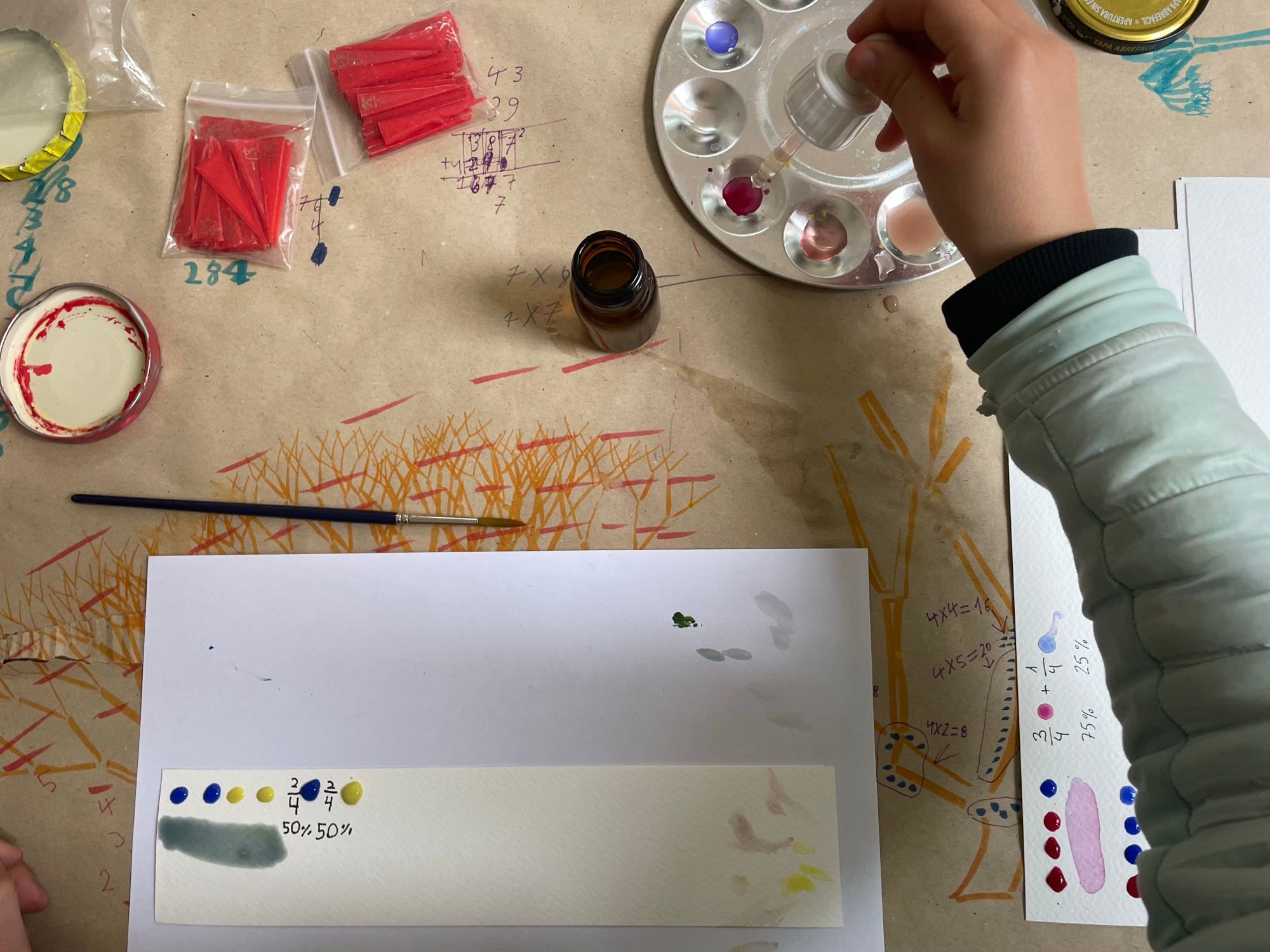
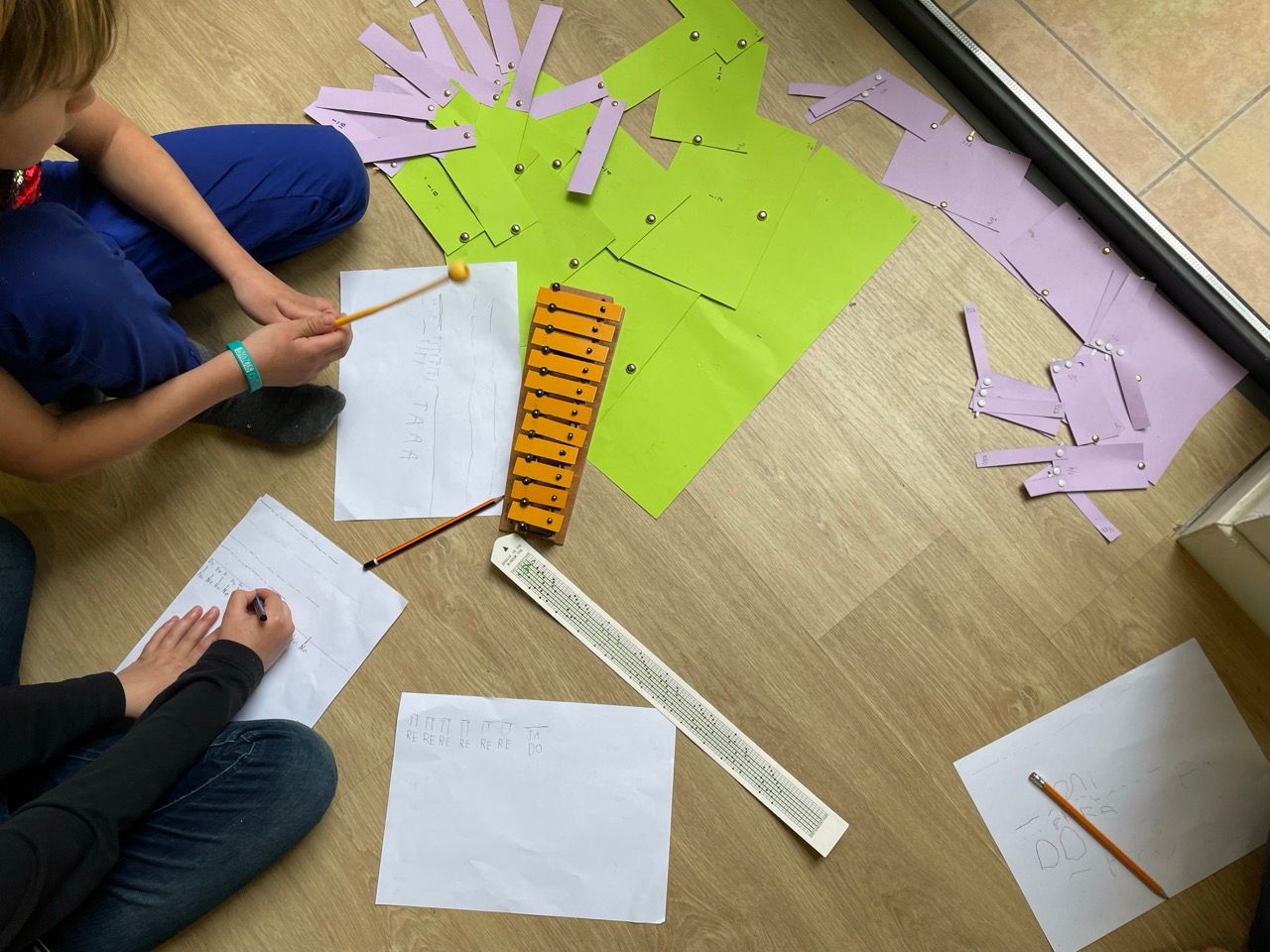
Tools time is for specific work on the different languages that help us understand, observe and represent the world: bodily, verbal, mathematical, musical, visual and plastic language, among others. It lets us go deeper into particular resources and skills that can then be put into play in projects and other learning situations.
We offer different points of view on any object, topic or question we address. We learn to turn everything upside down, take it apart, change it and transform it in order to question reality. We want children not just to reproduce what already exists, but to be able to interpret it, call it into question and generate new outlooks, structures and possibilities.
This is also a way of understanding critical pedagogy: offering personal resources and thinking tools that allow children, gradually, to gain more emotional and cognitive autonomy, develop their own judgement and take a stance on what surrounds them.
Undisciplined projects
We work through undisciplined projects that arise from children’s own interests, which they choose and design together with the accompanying adult. The adult facilitates the process, helping to plan it, contributing resources and questions, suggesting new routes and accompanying the different stages of development and self-assessment.
At the same time, the accompanying adult puts their personal and professional background at the service of the project to open up possibilities that may not yet have appeared and to broaden the initial interests. Starting from one’s own interest does not therefore mean working only on what we already know or want to know, but using it as a starting point to discover, investigate and go further.
We give priority to art, in all its forms. Drawing, visual poetry, constructions, theatre, music, installations and other forms of creation allow us to approach knowledge and reality from perspectives that go beyond formal description.
In projects we value the process more than the final result. We are interested in observing how the journey unfolds: how decisions are made, what difficulties arise, what strategies are tried, how problems are solved and what is discovered and learned along the way. The result is one more part of the process, but it is not what determines its value.
Outings
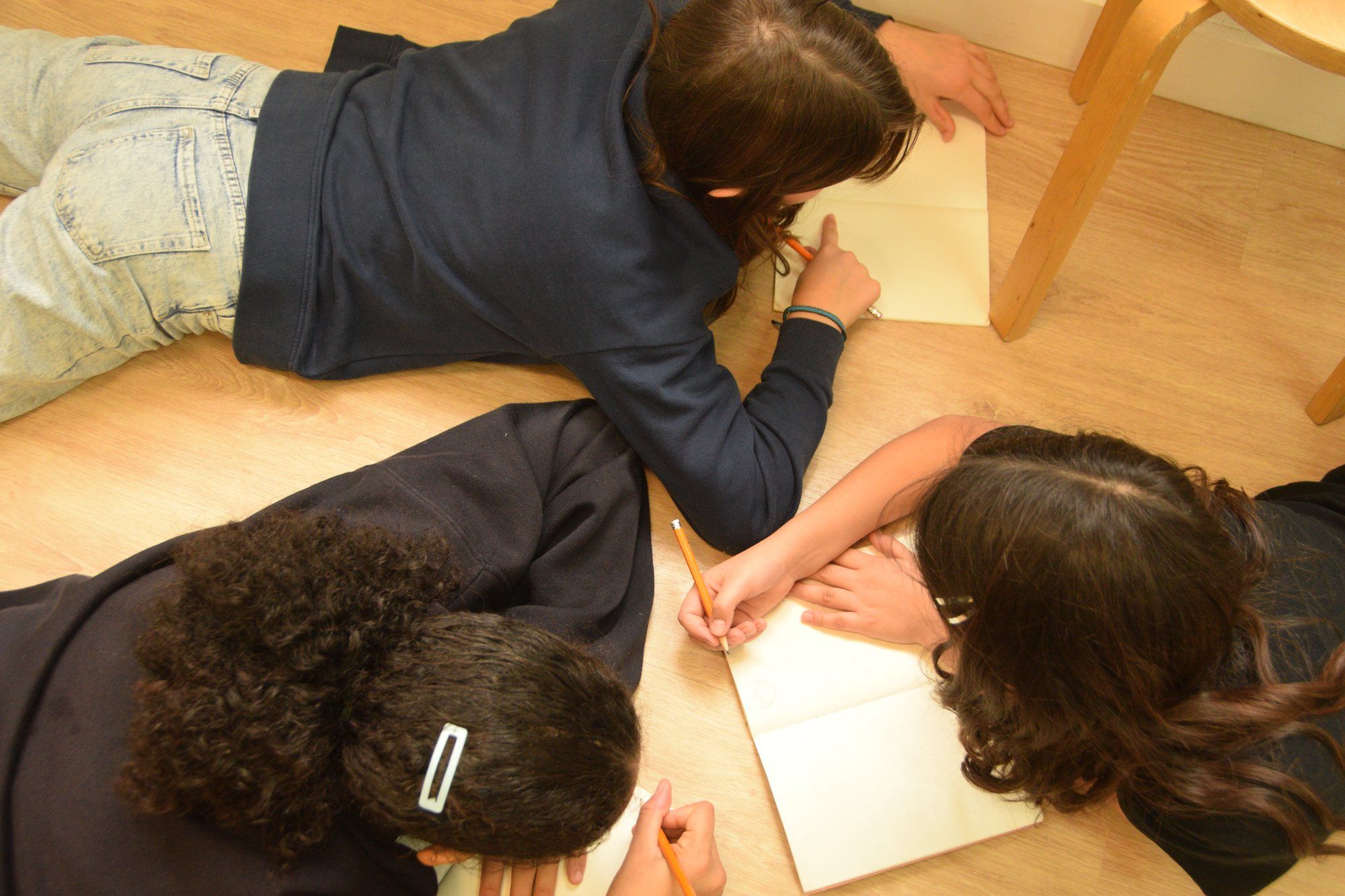
Outings are part of the usual learning path and extend experience beyond the school’s spaces. They help us come into direct contact with diverse settings, people, facilities and realities, and make connections with what we are working on.
Throughout primary we visit and use different resources in our surroundings, such as the library, the municipal sports centre and other cultural, natural and community facilities. Some outings stem directly from the projects the group is working on; others let us discover new fields, open up questions or come close to experiences we could not reproduce inside the school.
We therefore see outings as an opportunity to observe, experiment, ask ourselves questions and relate to our surroundings, bringing these experiences into the learning processes that unfold over the year.
Come and spend a morning in primary
Enrolment is open all year round. You can contact us to come and get to know us.
Request a visit